
Industrial roof replacement services play a crucial role in maintaining the integrity and functionality of commercial buildings. From ensuring safety to enhancing energy efficiency, the process of replacing industrial roofs is a multifaceted endeavor that requires careful consideration and expert execution.
In this detailed guide, we delve into the intricacies of industrial roof replacement services, exploring key factors, materials, and considerations that are essential for a successful project.
As we navigate through the various aspects of industrial roof replacement, readers will gain valuable insights into the importance of proactive maintenance, the significance of choosing the right materials, and the impact of external factors on the overall success of the project.
Overview of Industrial Roof Replacement Services
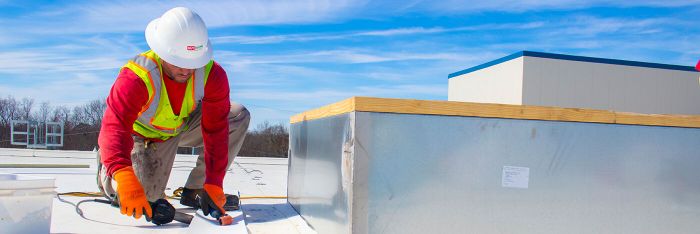
Industrial roof replacement is a crucial service for commercial buildings to maintain a safe and efficient working environment. Over time, industrial roofs can deteriorate due to weather exposure, wear and tear, and other factors, leading to potential leaks, structural damage, and safety hazards.
Typical Lifespan of Industrial Roofs
Industrial roofs typically have a lifespan of 20-30 years, depending on the material used and maintenance practices. However, factors such as harsh weather conditions, poor installation, and lack of regular inspections can shorten this lifespan significantly.
When Replacement is Necessary
- Visible signs of damage such as leaks, cracks, or sagging areas
- Frequent repairs that are no longer effective or cost-efficient
- Roof reaching the end of its expected lifespan
Key Benefits of Timely Industrial Roof Replacement
- Enhanced safety for occupants and assets within the building
- Improved energy efficiency and reduced utility costs
- Prevention of costly water damage and structural issues
- Increased property value and aesthetic appeal
Types of Industrial Roofing Materials
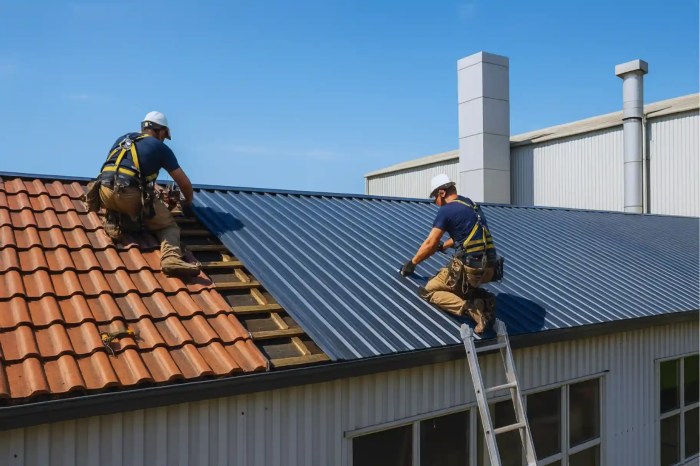
When it comes to industrial roof replacement, choosing the right roofing material is crucial for the longevity and functionality of the roof. There are several common types of industrial roofing materials used in replacements, each with its own set of pros and cons.
Metal Roofing
Metal roofing is a popular choice for industrial buildings due to its durability and longevity. It is resistant to extreme weather conditions and fire, making it a reliable option for industrial applications. However, metal roofing can be more expensive upfront compared to other materials.
EPDM Roofing
EPDM (ethylene propylene diene terpolymer) roofing is known for its durability and flexibility. It is a cost-effective option for industrial roofs and is resistant to UV rays and ozone exposure. However, EPDM roofing may require more maintenance over time compared to metal roofing.
TPO Roofing
TPO (thermoplastic polyolefin) roofing is a popular choice for industrial roofs due to its energy efficiency and reflective properties. It is also resistant to punctures and tears, making it a durable option. However, TPO roofing may not be as long-lasting as metal roofing.
PVC Roofing
PVC (polyvinyl chloride) roofing is a lightweight and cost-effective option for industrial buildings. It is known for its durability and resistance to chemicals, grease, and oil. However, PVC roofing may not be as environmentally friendly as other options.
Factors to Consider Before Industrial Roof Replacement
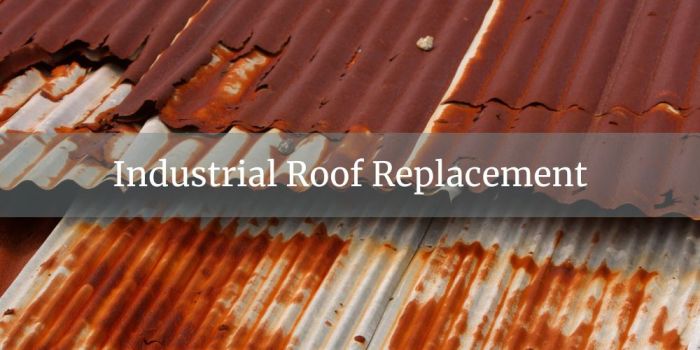
Before initiating an industrial roof replacement project, there are several important factors to consider to ensure a successful and efficient process.
Thorough Inspection
Conducting a thorough inspection of the existing industrial roof is crucial before starting the replacement project. This inspection helps in identifying any underlying issues, assessing the overall condition of the roof, and determining the best course of action for replacement.
Weather Conditions and Building Regulations
Weather conditions play a significant role in planning for industrial roof replacement. It is important to consider the impact of weather elements such as rain, wind, and extreme temperatures on the replacement process. Additionally, complying with building regulations and codes is essential to ensure that the new roof meets all necessary standards for safety and performance.
Process of Industrial Roof Replacement
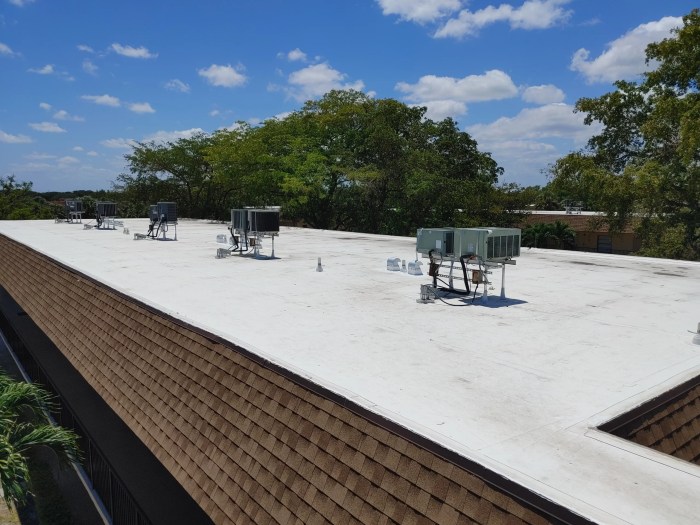
When it comes to industrial roof replacement, the process involves several crucial steps that are essential for a successful outcome. From assessing the existing roof to the final completion phase, each step plays a vital role in ensuring a durable and reliable roof for industrial buildings.
Assessment of Existing Roof
Before starting the replacement process, professionals conduct a thorough assessment of the existing roof. This assessment helps identify any underlying issues, such as leaks, damage, or structural weaknesses, that need to be addressed before installing a new roof.
- Inspecting the roof for any signs of damage or deterioration.
- Evaluating the roof's structural integrity.
- Determining the scope of work required for the replacement.
Preparation for Replacement
Once the assessment is complete, the next step involves preparing the site for the replacement. This phase includes gathering the necessary materials, equipment, and permits needed to carry out the replacement effectively.
- Ordering the required roofing materials.
- Scheduling the installation timeline.
- Obtaining any necessary permits or approvals.
Installation Phase
During the installation phase, the professionals begin removing the old roof and installing the new roofing system. This phase requires precision and expertise to ensure that the new roof is installed correctly and securely.
- Removing the old roofing materials.
- Installing the new roofing system according to manufacturer specifications.
- Ensuring proper insulation and waterproofing.
Quality Checks and Completion
After the new roof is installed, quality checks are conducted to ensure that the work meets industry standards and regulations. Once the checks are complete and the roof is deemed satisfactory, the project is considered complete.
- Inspecting the roof for any defects or issues.
- Conducting final waterproofing tests.
- Completing any finishing touches or detailing.
End of Discussion
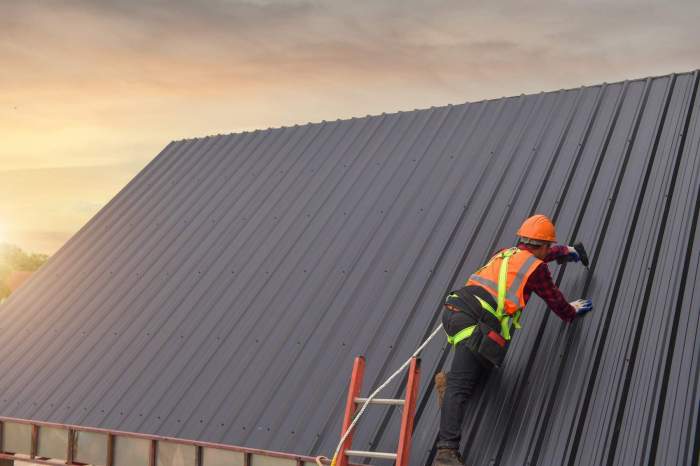
In conclusion, industrial roof replacement services are not just about fixing a structure; they are about safeguarding investments and ensuring the longevity of commercial properties. By staying informed and proactive in addressing roof replacement needs, businesses can mitigate risks, reduce long-term costs, and create a secure environment for their operations.
Let this guide serve as a roadmap for navigating the complex landscape of industrial roof replacement services with confidence and clarity.
FAQs
When should industrial roof replacement be considered?
Industrial roof replacement should be considered when the roof reaches the end of its typical lifespan or shows signs of significant damage that compromise its integrity.
What are the most common materials used for industrial roof replacement?
Common materials used for industrial roof replacement include metal, EPDM, TPO, and PVC, each offering unique benefits and considerations.
How important is conducting a thorough inspection before industrial roof replacement?
Conducting a thorough inspection before industrial roof replacement is crucial to assess the extent of damage, identify underlying issues, and ensure the success of the replacement project.
What role do weather conditions play in planning for industrial roof replacement?
Weather conditions are significant factors to consider when planning for industrial roof replacement, as they can impact the timeline, materials used, and overall success of the project.
How do professionals assess the existing roof before replacement?
Professionals assess the existing roof by conducting detailed inspections, evaluating structural integrity, identifying areas of concern, and determining the most appropriate course of action for replacement.