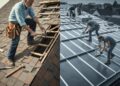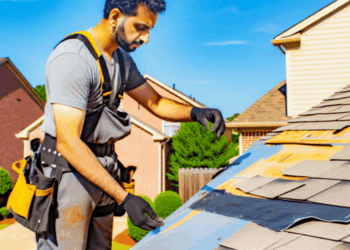

Embark on a journey through the world of roof waterproof repair services, where we explore the importance of waterproofing, common issues, repair techniques, and more. Get ready to delve into the fascinating realm of keeping your roof safe and secure.
Overview of Roof Waterproof Repair Services
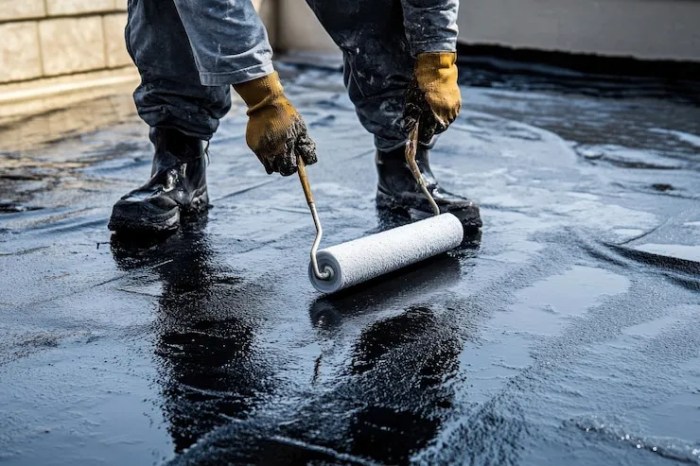
Roof waterproof repair services are essential for maintaining the integrity of a building and protecting it from water damage. Waterproofing ensures that the roof remains watertight and prevents leaks that can lead to structural issues and mold growth.
Common issues that require roof waterproof repair services include cracked or deteriorating roofing materials, damaged flashing, clogged gutters, and poor installation. These problems can result in water seepage, which can cause extensive damage to the roof and the interior of the building.
Materials Used for Waterproofing Roofs
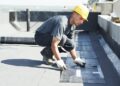
- Asphalt-based coatings: These are commonly used for waterproofing flat roofs and are applied in multiple layers to create a durable barrier against water.
- Polyurethane liquid membranes: These materials are flexible and can be applied to various types of roofs to create a seamless waterproofing layer.
- EPDM rubber membranes: These synthetic rubber sheets are resistant to UV rays and weathering, making them a popular choice for waterproofing roofs.
- Silicone coatings: Silicone roof coatings provide a durable and long-lasting waterproofing solution that can be applied over existing roofing materials.
Techniques for Roof Waterproof Repair
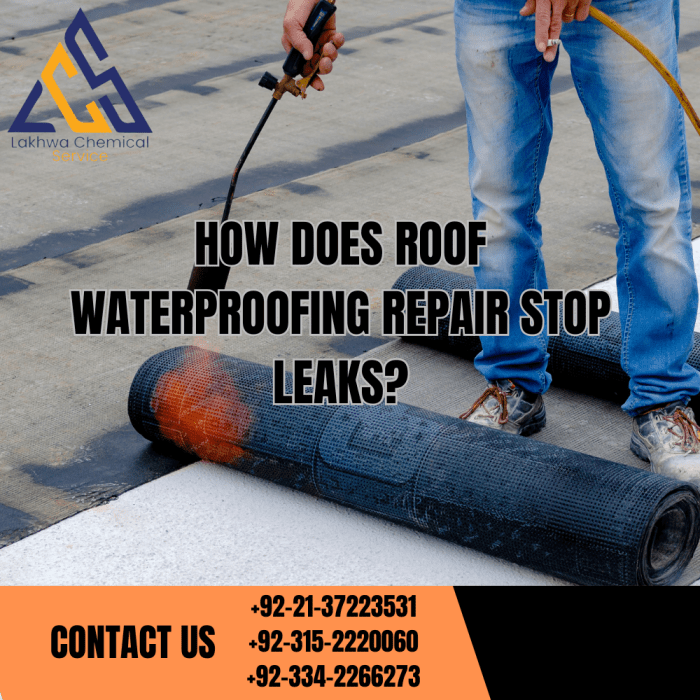
When it comes to roof waterproof repair, there are various techniques that can be used to identify leaks, repair damaged areas, and decide between a DIY approach or hiring professional services.
Identifying Leaks in Roofs
- Visual Inspection: Look for water stains on ceilings, walls, or attic areas.
- Water Testing: Use a hose to simulate rainfall and track where water infiltrates.
- Infrared Scans: Identify temperature differences that signal moisture accumulation.
- Roof Inspection: Check for missing or damaged shingles, cracked flashings, or clogged gutters.
Repairing Damaged Areas on a Roof
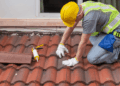
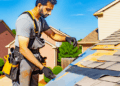
- Shingle Replacement: Replace any missing or damaged shingles to prevent water infiltration.
- Flashing Repair: Fix any gaps or cracks in the flashing around chimneys, vents, or skylights.
- Sealant Application: Use a waterproof sealant to cover cracks or gaps in the roof surface.
- Gutter Cleaning: Ensure gutters are clear of debris to allow proper drainage and prevent water buildup.
DIY Repair vs. Professional Roof Waterproofing Services
- DIY Approach: Cost-effective but requires time, effort, and expertise to ensure proper repairs.
- Professional Services: Experienced roofers can provide efficient and long-lasting solutions, but at a higher cost.
- Risk Factor: DIY repairs may lead to further damage if not done correctly, while professionals offer guarantees for their work.
- Time and Convenience: DIY projects take longer to complete, while professionals can finish the job quickly and effectively.
Materials Used in Roof Waterproof Repair
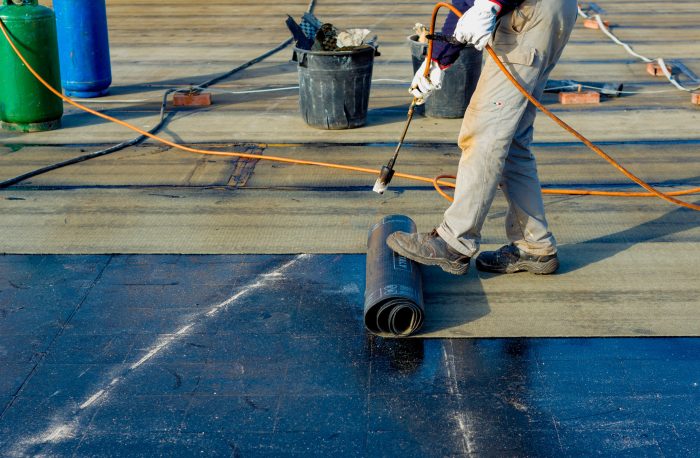
When it comes to roof waterproof repair, various types of materials are commonly used to ensure a reliable and long-lasting solution. These materials are specifically designed to protect roofs from water damage and leaks, providing durability and protection against the elements.
Types of Sealants, Membranes, and Coatings
- Sealants:Sealants are commonly used to fill gaps and cracks in roofs, creating a watertight seal. They can be silicone-based, polyurethane-based, or acrylic-based, offering flexibility and adhesion to different roof materials.
- Membranes:Membranes are thin layers of waterproof material that are applied to the surface of the roof. They can be made of bitumen, EPDM, PVC, or TPO, providing excellent waterproofing properties and resistance to UV rays.
- Coatings:Coatings are liquid-applied substances that form a protective layer over the roof surface. They can be acrylic, silicone, or elastomeric coatings, offering UV protection, flexibility, and ease of application.
Properties and Suitability
- Sealants:Sealants are suitable for small repairs and sealing joints. They are flexible and can adhere to various roof materials, making them versatile for different types of roofs.
- Membranes:Membranes are ideal for flat roofs and areas with high water exposure. They have strong adhesion and durability, making them suitable for long-term waterproofing solutions.
- Coatings:Coatings are effective for extending the life of the roof and protecting it from weathering. They are easy to apply and provide a seamless, protective barrier against water infiltration.
Longevity and Effectiveness
- Sealants:Sealants have a moderate lifespan and may need reapplication over time, especially in areas with extreme weather conditions. They are effective for minor repairs and maintenance.
- Membranes:Membranes are known for their longevity and durability, lasting up to 20-30 years with proper maintenance. They provide reliable waterproofing for flat roofs and commercial buildings.
- Coatings:Coatings can last 10-15 years or more, depending on the type of coating and the roof's exposure to weather elements. They offer excellent protection and can be recoated for extended durability.
Cost and Considerations for Roof Waterproof Repair
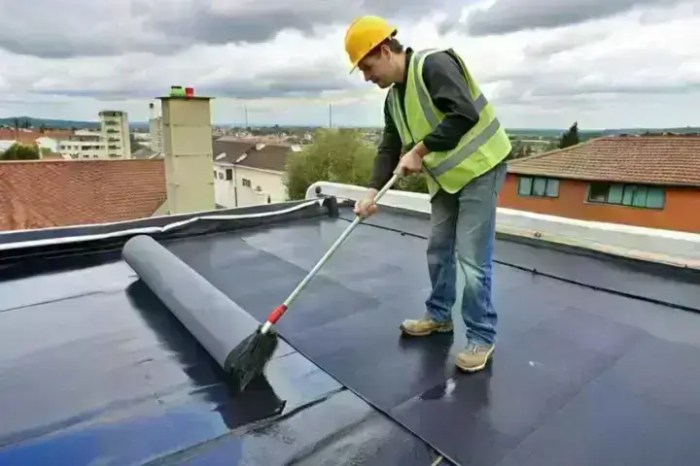
When it comes to roof waterproof repair services, the cost can vary depending on several factors. Understanding these considerations can help you budget effectively and make informed decisions.
Factors Influencing the Cost of Roof Waterproof Repair
- The extent of damage: The severity of the damage to your roof will greatly impact the cost of repairs. Minor leaks may be less expensive to fix compared to major structural issues.
- Materials used: The quality of materials used for the repair can affect the overall cost. Higher quality materials may come at a higher price but can provide better durability and longevity.
- Roof accessibility: The ease of access to your roof can also influence the cost. If your roof is difficult to reach or requires special equipment for repairs, expect a higher cost.
- Professional expertise: Hiring experienced and reputable roof waterproof repair professionals may increase the cost upfront but can save you money in the long run by ensuring the job is done correctly the first time.
Size and Type of Roof Impact on Repair Costs
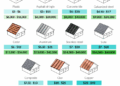
- Size of the roof: The larger the roof, the more materials and labor will be required for repairs, leading to a higher overall cost.
- Type of roof: Different roofing materials and designs can affect the complexity of repairs and the cost involved. For example, a flat roof may have different repair needs compared to a pitched roof.
Importance of Regular Maintenance
Regular maintenance of your roof is essential to prevent costly repairs in the future. By addressing minor issues promptly and scheduling routine inspections, you can catch potential problems early on and avoid more extensive damage that could result in higher repair costs.
Investing in preventative maintenance can ultimately save you money in the long term and extend the lifespan of your roof.
Final Thoughts
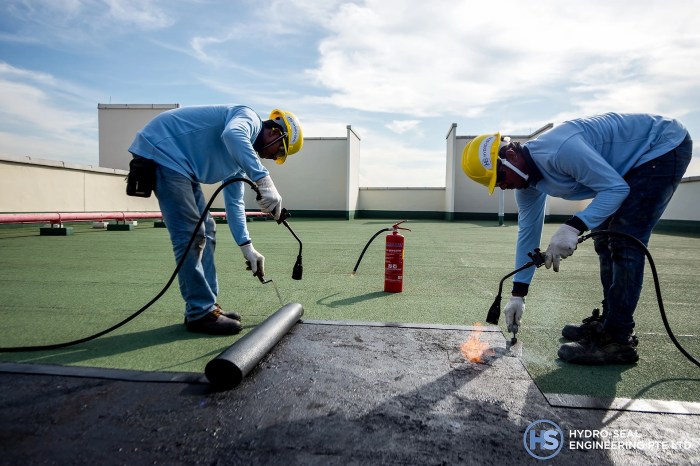
As we conclude our exploration of roof waterproof repair services, remember the significance of regular maintenance in preventing costly repairs. Stay informed, stay proactive, and ensure your roof remains a sturdy shield against the elements.
Essential Questionnaire
What are the common issues that require roof waterproof repair services?
Common issues include leaks, cracks, and damage from weather elements.
How do different materials used for waterproofing roofs vary?
Materials like sealants, membranes, and coatings have varying properties and suitability for different roof types.
What factors influence the cost of roof waterproof repair services?
Factors like the size of the roof, type of repair needed, and materials used can influence costs.