
Roofing service software pricing sets the stage for this enthralling narrative, offering readers a glimpse into a story that is rich in detail and brimming with originality. From factors influencing pricing decisions to different pricing models and cost considerations, this topic delves deep into the world of software pricing in the roofing service industry.
As we uncover the various aspects surrounding roofing service software pricing, readers will gain a comprehensive understanding of how pricing is determined, what models are prevalent, and strategies for negotiation.
Factors influencing pricing in roofing service software
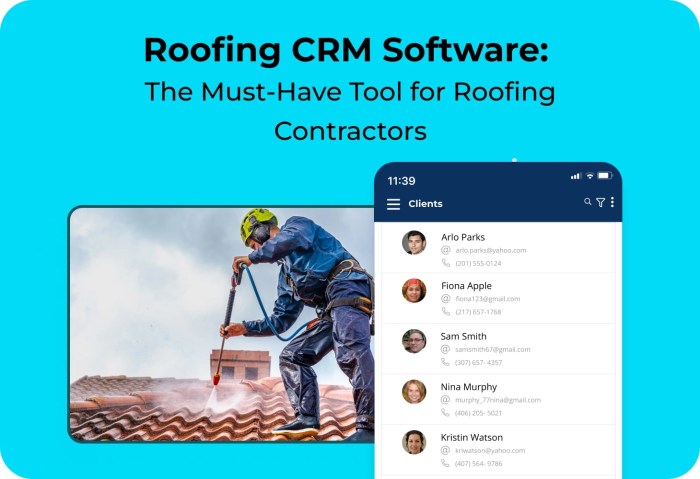
When it comes to determining the pricing of roofing service software, several key factors play a crucial role in influencing these decisions. Understanding these factors is essential for both software providers and consumers to make informed choices. Let's delve into the main features that impact pricing decisions, how customization affects pricing models, and the role of scalability in determining software costs.
Key Features Impacting Pricing Decisions
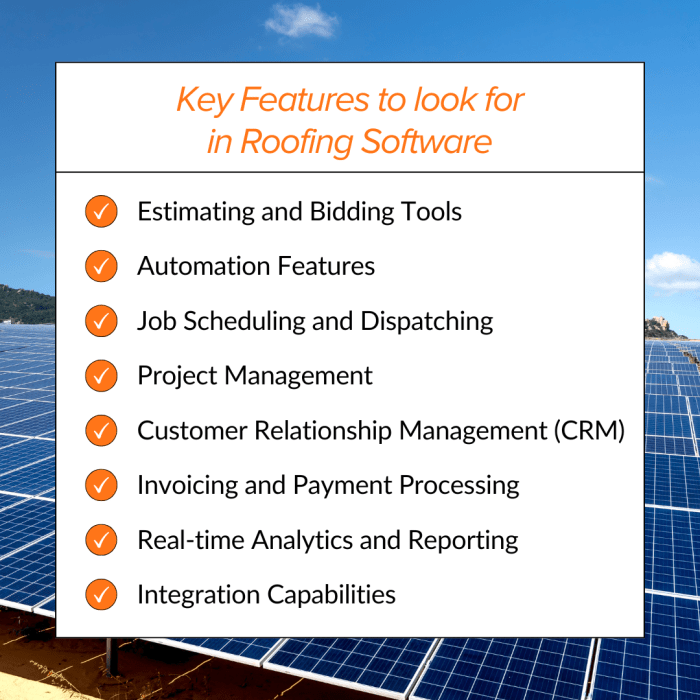
- Integration Capabilities: The ability of the software to seamlessly integrate with other tools and systems can significantly impact its pricing. Software that offers easy integration with existing platforms may come at a higher cost.
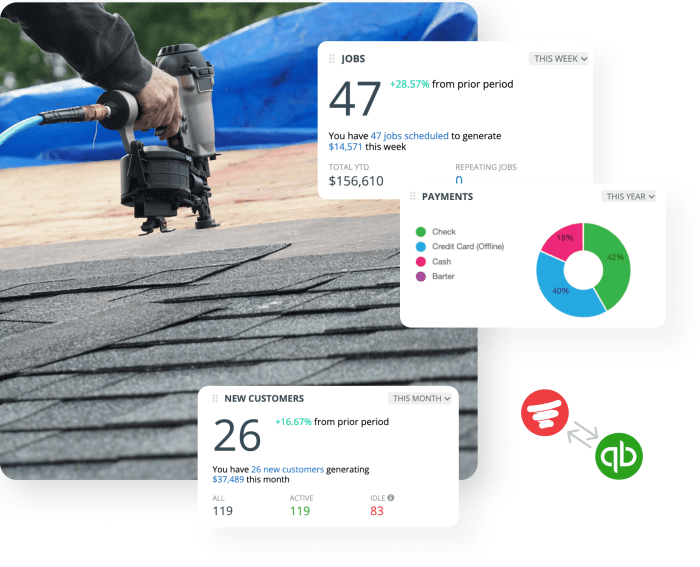
- Advanced Reporting and Analytics: Roofing service software that provides robust reporting and analytics features for tracking performance and making data-driven decisions may be priced higher due to the added value it offers.
- Mobile Accessibility: The availability of mobile applications for on-the-go access to the software can influence pricing, as it enhances user convenience and flexibility.
Customization and Pricing Models
- Level of Customization: The extent to which the software can be tailored to meet the specific needs of a roofing business can impact pricing. Highly customizable software may come with a higher price tag due to the resources required for customization.
- Modular Pricing: Some software providers offer modular pricing options, allowing users to choose only the features they need. This can affect pricing based on the selected modules and customization requirements.
- Implementation and Support: The cost of implementation, training, and ongoing support for customized features can also influence the overall pricing structure of roofing service software.
Role of Scalability in Software Costs
- Scalability Options: Software that can easily scale with the growing needs of a roofing business without requiring significant upgrades or additional costs may be priced higher upfront to accommodate future growth.
- User Licensing and Pricing Tiers: The number of users and pricing tiers available in the software can impact costs, with scalability options allowing businesses to adjust their plans as they expand.
- Infrastructure Costs: Scalable software may involve higher infrastructure costs for the provider, which can be reflected in the pricing to ensure sustainable growth and performance.
Types of pricing models in roofing service software
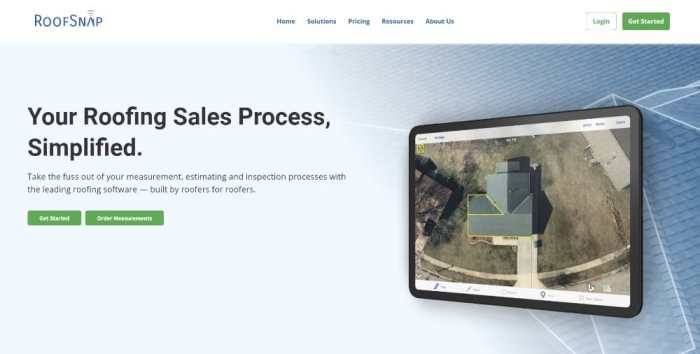
When it comes to pricing models in roofing service software, there are several options available to choose from. Let's take a closer look at some of the common models used in the industry.
Subscription-based vs. One-time payment models
Subscription-based models involve paying a recurring fee at regular intervals, such as monthly or annually, to access the software. On the other hand, one-time payment models require a one-time upfront payment for lifetime access to the software.
- Advantages of Subscription-based model:
- Lower initial cost for users
- Continuous updates and support included
- Disadvantages of Subscription-based model:
- Long-term costs may add up
- Dependency on consistent payments
- Advantages of One-time payment model:
- No recurring costs after initial payment
- Ownership of software outright
- Disadvantages of One-time payment model:
- Limited support and updates may incur additional costs
- Higher upfront investment
Usage-based pricing
Usage-based pricing charges customers based on their actual usage of the software. This model is particularly beneficial for businesses with fluctuating needs and can help in cost optimization.
Example: A roofing company may pay based on the number of projects managed using the software each month.
Tiered pricing structures
Tiered pricing structures offer different levels of service at varying price points. This allows customers to choose a plan that best suits their requirements and budget.
Example: A roofing software provider may offer a basic plan for small businesses with limited features, a standard plan for medium-sized companies with additional functionalities, and a premium plan for large enterprises with advanced tools.
Cost considerations for roofing service software implementation
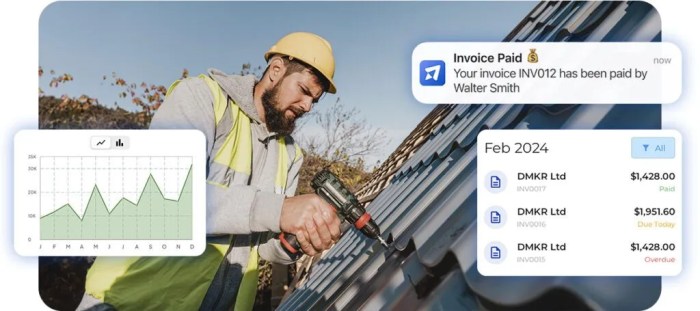
When implementing roofing service software, there are several cost considerations that need to be taken into account. These costs can include upfront expenses, ongoing maintenance, updates, and integrations with existing systems.
Upfront Costs
One of the primary cost considerations for roofing service software implementation is the upfront costs associated with setting up the software. This can include purchasing the software itself, as well as any necessary hardware or additional tools required for installation.
Ongoing Expenses
After the initial setup, there are ongoing expenses to consider, such as maintenance and updates. Regular maintenance is essential to ensure the software runs smoothly and efficiently. Updates may also incur additional costs depending on the software provider and the frequency of updates.
Impact of Integrations
Integrating roofing service software with existing systems can also impact overall costs. Depending on the complexity of the integration, additional resources may be needed to ensure a seamless connection between the software and other systems. This can involve customization, data migration, and training, all of which can add to the implementation costs.
Strategies for negotiating pricing in roofing service software
In the competitive market of roofing service software, negotiating pricing can be a crucial step in securing the best deal for your business. Understanding how to navigate this process is essential to ensure you get the most value for your investment.
Tips for getting the best deal from software vendors
- Research multiple vendors and compare their offerings to leverage competitive pricing.
- Be prepared to negotiate based on the specific needs and requirements of your business.
- Consider long-term partnerships and potential for future upgrades or add-ons when discussing pricing.
- Ask for discounts or special pricing packages based on volume or duration of the contract.
The importance of understanding contract terms and conditions
- Review the contract thoroughly to ensure you are aware of all costs, fees, and obligations.
- Pay attention to details such as termination clauses, renewal terms, and potential hidden charges.
- Seek clarification on any ambiguous or unclear language to avoid misunderstandings in the future.
Leveraging competition to negotiate pricing
- Use competing offers to your advantage by highlighting better deals or features offered by other vendors.
- Encourage vendors to match or beat competitor pricing to secure your business.
- Showcase the value your business brings and why vendors should offer you the best possible pricing.
Conclusive Thoughts
In conclusion, roofing service software pricing is a complex landscape that requires careful consideration of factors like key features, pricing models, implementation costs, and negotiation strategies. By grasping the intricacies of pricing in this industry, businesses can make informed decisions that optimize their software investments.
Questions Often Asked
What factors influence pricing decisions in roofing service software?
Key features, customization options, and scalability play significant roles in determining pricing for roofing service software.
What are the advantages and disadvantages of usage-based pricing models?
Usage-based pricing offers flexibility but can lead to unpredictable costs for users, making budgeting challenging.
How do upfront costs and ongoing expenses impact the overall cost of roofing service software implementation?
While upfront costs are a one-time investment, ongoing expenses like maintenance and updates contribute to the total cost of software implementation over time.
What are some strategies for negotiating pricing with roofing service software vendors?
Tips include understanding contract terms, leveraging competition, and seeking discounts based on long-term commitments.