

Roof financing monthly payments have become a popular choice for homeowners looking to enhance their homes. This guide delves into the intricacies of this financial option, shedding light on why it's a preferred method and the various considerations involved.
As we navigate through the different types of financing options, factors to ponder before making a decision, and practical steps to secure roof financing, you'll gain a deeper understanding of this crucial aspect of home improvement.
Introduction to Roof Financing Monthly Payments
Roof financing refers to the process of obtaining financial assistance to cover the cost of a new roof installation or replacement. Monthly payments are a popular option for homeowners looking to manage the expenses associated with upgrading their roofs.
Homeowners often opt for financing their roof replacements with monthly payments due to the significant upfront costs involved in such projects. By spreading out the payments over several months, they can make the investment more manageable and budget-friendly.
Benefits of Spreading the Cost
- Allows homeowners to afford high-quality roofing materials and services that may have been otherwise out of reach.
- Minimizes financial strain by breaking down a large expense into smaller, more manageable payments.
- Provides flexibility in budgeting, allowing homeowners to allocate funds for other home improvement projects or unexpected expenses.
- May offer competitive interest rates and repayment terms compared to other financing options.
Types of Roof Financing Options
When it comes to financing a roofing project, there are several options available to homeowners. Each financing option has its own advantages and disadvantages, so it's essential to consider your financial situation and needs before making a decision. Here, we will compare and contrast some of the most common types of roof financing options, including personal loans, home equity loans, and credit cards.
Personal Loans
Personal loans are a popular choice for financing roofing projects because they offer fixed interest rates and predictable monthly payments. These loans are typically unsecured, meaning you don't need to put up collateral, but they may have higher interest rates compared to secured loans.
Home Equity Loans
Home equity loans allow homeowners to borrow against the equity in their homes. These loans often have lower interest rates compared to personal loans because they are secured by the value of the property. However, failing to repay a home equity loan can result in the loss of your home through foreclosure.
Credit Cards
Using a credit card to finance a roofing project can be convenient, especially for smaller expenses. However, credit cards typically have higher interest rates compared to loans, which can result in higher overall costs if the balance is not paid off quickly.
Additionally, maxing out a credit card can negatively impact your credit score.
When considering roof financing with monthly payments, it's important to shop around and compare offers from reputable lenders or companies. Some well-known institutions that offer roof financing options include Wells Fargo, GreenSky, and Hearth. Be sure to read the terms and conditions carefully, including interest rates, fees, and repayment terms, to choose the best option for your needs.
Factors to Consider Before Choosing a Roof Financing Plan

When deciding on a roof financing plan with monthly payments, there are several key factors that homeowners should carefully consider to ensure they make the best choice for their financial situation and needs.Interest Rates, Repayment Terms, and Hidden Fees:It is crucial to pay attention to the interest rates offered by different financing options.
Lower interest rates can save homeowners money in the long run, so it is essential to compare rates from various lenders. Additionally, understanding the repayment terms, such as the length of the loan and the monthly payments, is important to ensure that they align with your budget.
Hidden fees, such as origination fees or prepayment penalties, can also significantly impact the overall cost of the financing, so it is essential to inquire about any additional fees before committing to a plan.Credit Scores and Approval Process:Credit scores play a significant role in the approval process for roof financing.
Lenders typically use credit scores to assess the risk of lending money to a borrower. A higher credit score can increase the chances of approval and may also result in lower interest rates. On the other hand, a lower credit score may lead to higher interest rates or even rejection of the financing application.
It is advisable for homeowners to check their credit scores before applying for roof financing and take steps to improve their scores if necessary.
Steps to Secure Roof Financing with Monthly Payments
When applying for roof financing with monthly payments, it is important to follow a structured process to increase your chances of approval and secure favorable terms.
Gather Necessary Documents
- Proof of income: Pay stubs, tax returns, or bank statements to demonstrate your ability to repay the loan.
- Identification: Driver's license, passport, or other government-issued ID.
- Credit history: Your credit score and report will be reviewed by lenders to assess your creditworthiness.
- Property information: Details about your home, including ownership documents and insurance information.
Research Lenders and Financing Options
- Compare interest rates, terms, and fees from different lenders to find the best financing option for your needs.
- Consider government-backed loans, home equity loans, or personal loans as potential sources of financing.
- Look for lenders that specialize in home improvement loans or roof financing for a streamlined application process.
Apply for Financing
- Submit your application online or in-person, providing all required documents and information accurately and completely.
- Be prepared for a credit check and potential requests for additional documentation during the underwriting process.
- Communicate promptly with the lender and respond to any inquiries or requests for information to expedite the approval process.
Negotiate Terms and Review Contract
- Review the loan terms, including interest rates, repayment schedule, and any fees associated with the loan.
- Negotiate with the lender to secure favorable terms, such as a lower interest rate or longer repayment period.
- Carefully read and understand the loan agreement before signing to ensure you are comfortable with the terms and obligations.
Last Word
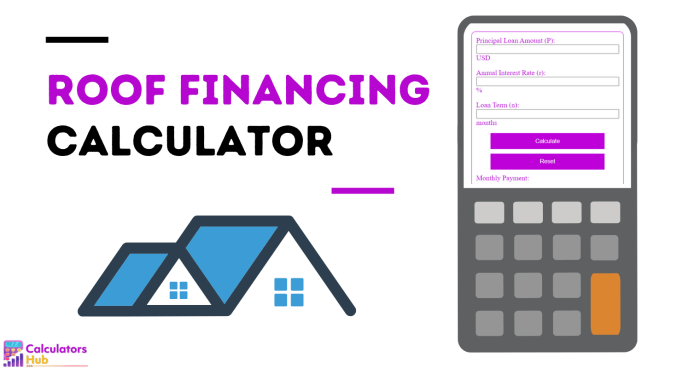
In conclusion, roof financing with monthly payments offers a flexible and manageable way to fund your roof replacement. By carefully weighing your options, considering essential factors, and following the right steps, you can embark on this financial journey with confidence.
Question & Answer Hub
What are the main benefits of choosing roof financing with monthly payments?
Spreading the cost over installments makes it more affordable for homeowners and provides financial flexibility.
How do credit scores impact roof financing approval?
Credit scores can affect both the approval process and the interest rates offered for roof financing.
What documents are typically required when applying for roof financing?
Commonly required documents include proof of income, identification, and details about the property.