
Delving into the world of roof installation cost per square foot, this paragraph sets the stage for a comprehensive exploration of key factors and considerations.
The following paragraphs will shed light on materials, labor costs, and additional expenses, providing a holistic view of what influences the overall cost of roof installation per square foot.
Factors impacting roof installation cost per square foot
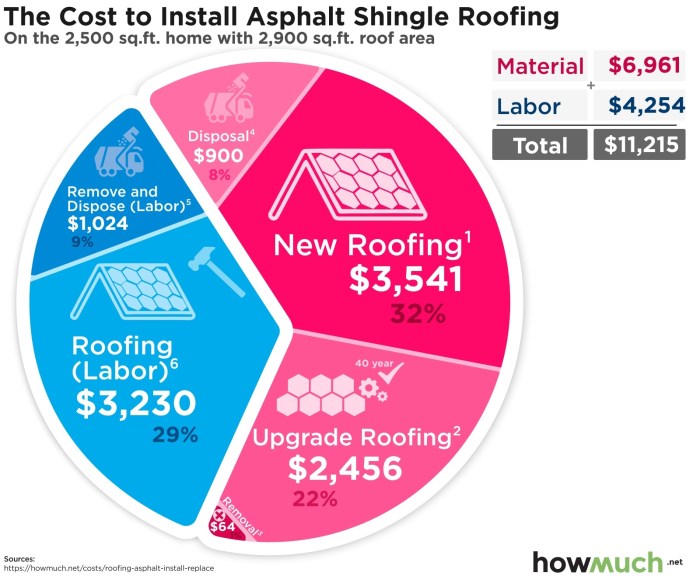
When it comes to determining the cost of roof installation per square foot, there are several key factors that can influence the overall price. Understanding these factors can help homeowners make informed decisions about their roofing projects.
Materials Used and Their Influence on Costs
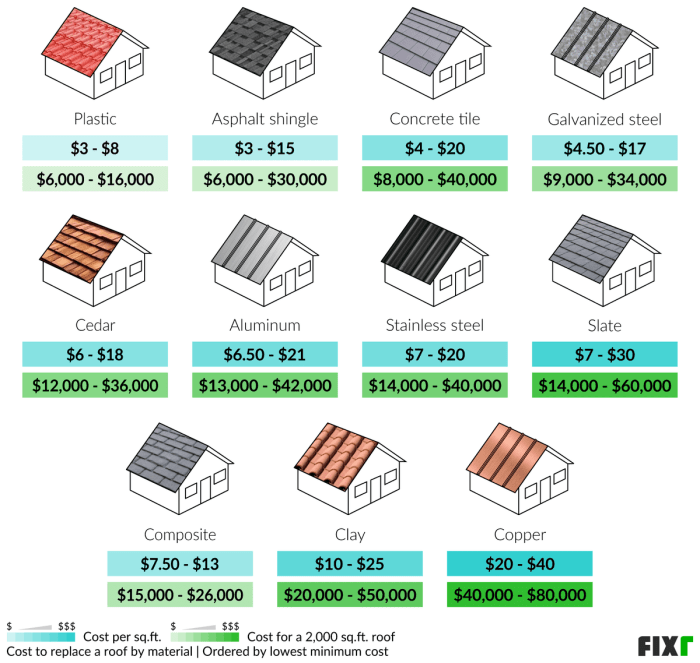
The type of materials used for the roofing project plays a significant role in determining the cost per square foot. For example, asphalt shingles are generally more affordable compared to materials like metal or slate. Additionally, the quality and brand of the materials can also impact the overall cost.
Higher quality materials tend to come with a higher price tag, but they may offer better durability and longevity.
Roof Complexity Affecting Price Per Square Foot
The complexity of the roof design and structure can also impact the cost of installation per square foot. A simple, straightforward roof with a standard pitch will generally be more affordable to install compared to a roof with multiple angles, valleys, or unique features.
Complex roof designs require more time and labor to install, which can drive up the overall cost of the project.
Geographic Location Impacting Installation Costs
The geographic location of a property can also influence the cost of roof installation per square foot. Factors such as local building codes, weather conditions, and the availability of labor and materials can all affect pricing. For instance, areas with high labor costs or stringent building regulations may have higher installation costs compared to regions with lower expenses.
Different types of roofing materials and their cost per square foot
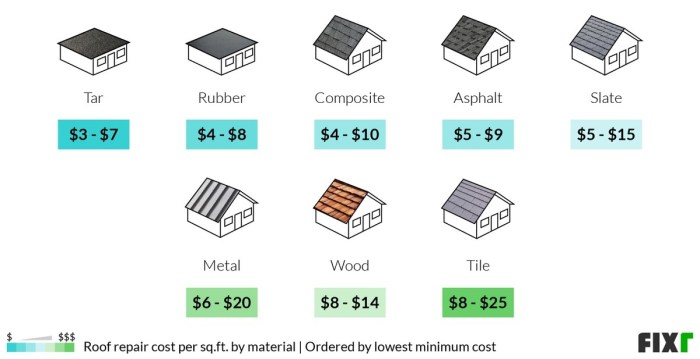
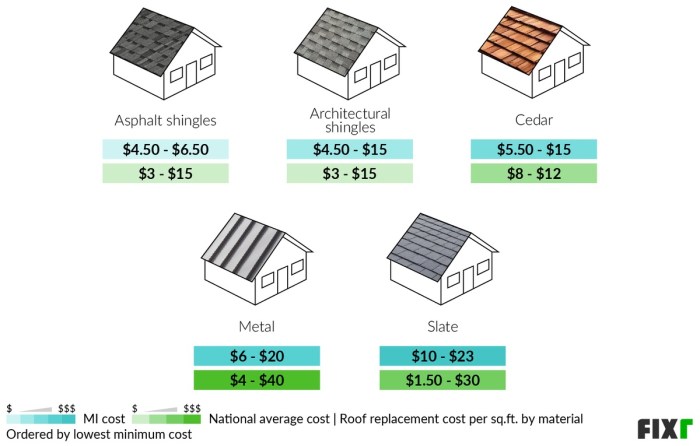
When it comes to roofing materials, the cost per square foot can vary significantly based on the type of material used. Let's explore the different types of roofing materials and their associated costs.Asphalt Shingles:Asphalt shingles are one of the most common roofing materials due to their affordability.
The cost per square foot for asphalt shingles typically ranges from $1.50 to $5.00. While asphalt shingles are budget-friendly, they may not be as durable as other materials, with a lifespan of around 20-30 years.Metal Roofing:Metal roofing is known for its longevity and durability.
The cost per square foot for metal roofing can range from $5.00 to $12.00. Although the initial cost may be higher than asphalt shingles, metal roofing can last 50 years or more, making it a cost-effective option in the long run.Tile Roofing:Tile roofing is a popular choice for its aesthetic appeal and longevity.
The cost per square foot for tile roofing can vary from $10.00 to $20.00. While the upfront cost may be higher, tile roofing can last 50 years or more with proper maintenance, making it a worthwhile investment.Other Materials:There are other roofing materials available, such as wood shakes, slate, and synthetic materials, each with its own cost per square foot.
Wood shakes can range from $6.00 to $10.00 per square foot, while slate can cost $10.00 to $20.00 per square foot. Synthetic materials like PVC or TPO can cost $6.00 to $12.00 per square foot.In conclusion, the initial cost of roofing materials can impact long-term maintenance expenses.
While more expensive materials may have a higher upfront cost, their durability and longevity can result in cost savings over time. It's essential to consider the lifespan and maintenance requirements of each material when determining the overall cost-effectiveness of your roofing choice.
Labor costs and their contribution to overall installation expenses
Labor costs play a significant role in determining the overall expenses of roof installation. Understanding how labor costs are calculated, the impact of labor efficiency, and the skill level of the roofing crew is crucial in estimating the final cost per square foot.
Calculation of Labor Costs
Labor costs in roofing projects are typically calculated based on the number of hours worked by the roofing crew. The labor rate per hour is determined by factors such as the complexity of the job, location, and the experience of the workers.
Additionally, the size of the crew needed for the project and the duration of the job also influence labor costs.
Role of Labor Efficiency
Efficiency in labor can significantly impact the final cost per square foot of roof installation. A highly efficient roofing crew can complete the job in less time, reducing labor costs. Factors such as experience, teamwork, and the use of specialized equipment can contribute to labor efficiency and ultimately lower the overall expenses.
Skill Level of the Roofing Crew
The skill level of the roofing crew also plays a crucial role in determining pricing. Highly skilled workers may command higher hourly rates, but their expertise can result in a more precise and efficient installation process. This can lead to cost savings in the long run, as the quality of workmanship can impact the longevity and performance of the roof.
Additional costs to consider when calculating roof installation expenses
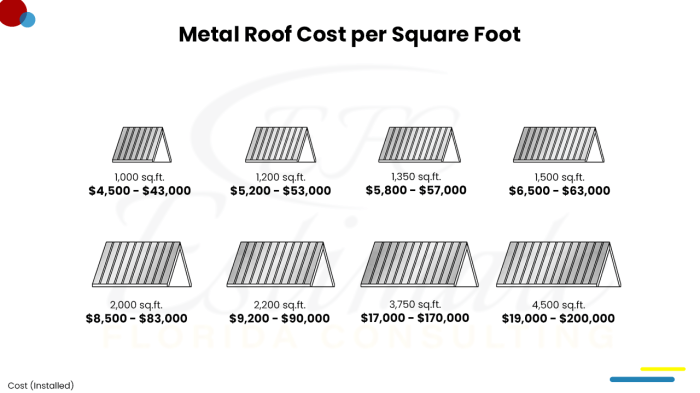
When calculating roof installation expenses, it is important to consider additional costs beyond just materials and labor. These additional costs can significantly impact the overall budget and should not be overlooked.
Permit Costs and Their Impact
Permit costs are an essential part of any roofing project. Depending on your location, you may need permits to proceed with the installation. Permit costs can vary greatly, so it is important to factor them into your budget from the beginning.
Failure to obtain the necessary permits can result in fines or even having to redo the work, so it is crucial to budget for this expense.
Importance of Underlayment, Flashing, and Ventilation
Underlayment, flashing, and ventilation are crucial components of a well-installed roof. While they may not be as visible as the roofing material itself, they play a vital role in the longevity and effectiveness of your roof. Investing in high-quality underlayment, flashing, and ventilation can help prevent leaks, improve energy efficiency, and extend the lifespan of your roof.
These components should not be overlooked when calculating installation expenses.
Impact of Roof Pitch and Slope on Pricing
The pitch and slope of a roof can have a significant impact on pricing. Steeper roofs require more materials and labor to install, which can drive up costs. Additionally, roofs with a steep pitch may require special safety equipment and additional precautions, further adding to the overall expenses.
Understanding how the pitch and slope of your roof can affect pricing is important when budgeting for a new roof installation.
Final Wrap-Up
In conclusion, the intricacies of roof installation cost per square foot reveal a nuanced landscape where material choices, labor expenses, and various factors intertwine to shape the final price. This discussion serves as a guide for homeowners and professionals navigating the realm of roofing projects.
FAQs
What are the main factors influencing roof installation cost per square foot?
The materials used, roof complexity, and geographic location play significant roles in determining the cost per square foot.
Which roofing material offers the best longevity in relation to cost?
Metal roofing tends to be highly durable and long-lasting, making it a cost-effective choice in the long run.
How are labor costs calculated in roofing projects?
Labor costs are typically estimated based on the size and complexity of the roof, along with the prevailing rates in the region.
What additional expenses should be considered apart from materials and labor?
Permit costs, underlayment, flashing, and ventilation are essential factors that contribute to the overall roof installation expenses.
Does the pitch and slope of a roof affect pricing?
Yes, roofs with steeper pitches or complex slopes may require more labor and materials, influencing the final cost per square foot.