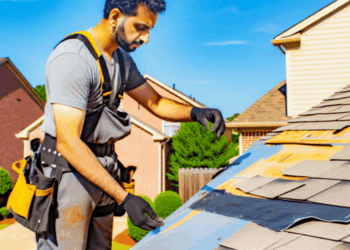

Delve into the world of commercial metal roofing systems as we explore the ins and outs of this durable and cost-effective roofing option. From installation to maintenance, this guide provides all you need to know for a successful roofing project.
Introduction to Commercial Metal Roofing Systems
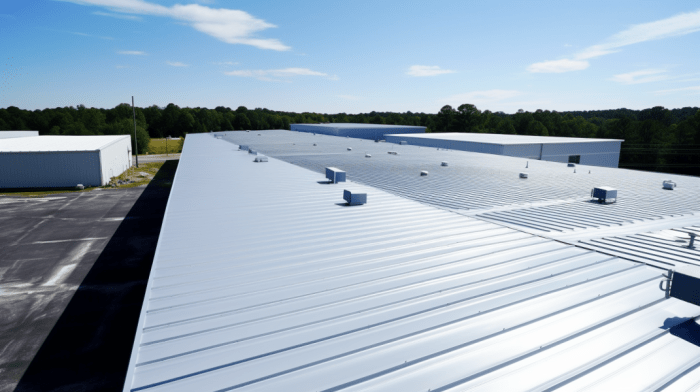
Metal roofing systems are a popular choice for commercial buildings due to their durability, longevity, and cost-effectiveness. These systems are typically made from steel, aluminum, or copper and offer a range of benefits compared to traditional roofing materials like asphalt or shingles.Metal roofs are known for their strength and resistance to extreme weather conditions, making them ideal for commercial properties that need reliable protection.
They are also lightweight, which can help reduce stress on the building's structure and potentially lower maintenance costs over time.Examples of commercial buildings where metal roofing systems are commonly used include warehouses, factories, shopping centers, and office buildings. These structures benefit from the long lifespan of metal roofs, as well as their energy efficiency and recyclability.
Benefits of Commercial Metal Roofing Systems
- Longevity: Metal roofs can last 50 years or more, outperforming other roofing materials.
- Durability: Resistant to fire, wind, and impact, reducing the risk of damage and the need for frequent repairs.
- Energy Efficiency: Metal roofs can reflect sunlight and reduce heating and cooling costs for the building.
- Sustainability: Metal roofing materials are often made from recycled content and can be fully recycled at the end of their lifespan.
Types of Metal Used in Commercial Roofing
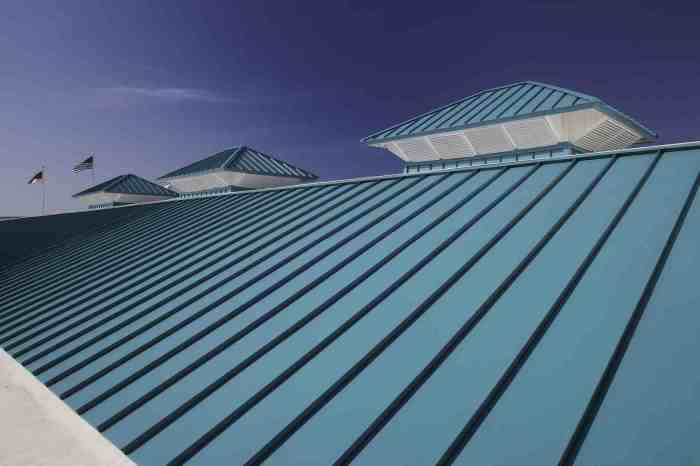
Metal roofing systems for commercial buildings offer a variety of options when it comes to the type of metal used. Each metal type has its own unique characteristics that can impact durability, cost-effectiveness, and aesthetic appeal.
1. Steel
Steel is a popular choice for commercial roofing due to its durability and cost-effectiveness. It is available in different gauges, with thicker gauges offering more durability but also higher costs. Steel roofs can be coated with different materials to enhance their resistance to corrosion and improve energy efficiency.
2. Aluminum
Aluminum is known for its lightweight properties and resistance to corrosion, making it a good choice for commercial roofing in coastal or humid areas. While aluminum roofs may be more expensive upfront, they require minimal maintenance and have a long lifespan.
3. Copper
Copper is a premium choice for commercial roofing due to its luxurious appearance and longevity. Over time, copper develops a natural patina that adds to its aesthetic appeal. While copper roofs may have a higher initial cost, they are extremely durable and can last for decades with proper maintenance.
4. Zinc
Zinc is a durable and sustainable option for commercial roofing, known for its self-healing properties. Zinc roofs have a unique aesthetic that evolves over time, creating a distinctive look for commercial buildings. While the initial cost of zinc roofing may be higher, its long lifespan and minimal maintenance requirements make it a cost-effective choice in the long run.
Installation Process of Commercial Metal Roofing Systems
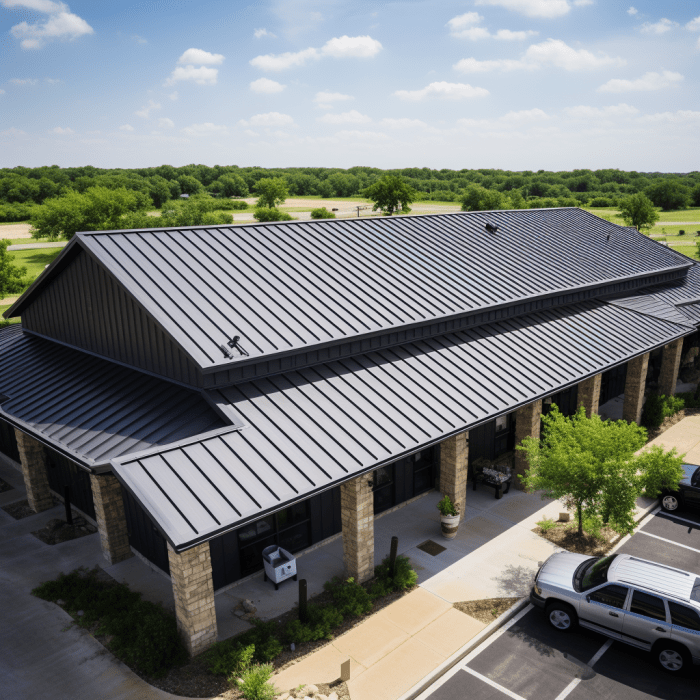
Metal roofing systems offer durability and longevity, making them a popular choice for commercial buildings. The installation process is crucial to ensure the roof's effectiveness and longevity.
Steps in Installing a Metal Roof on a Commercial Building
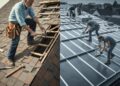
- 1. Preparation: This involves inspecting the existing roof structure, removing any old roofing materials, and ensuring the roof deck is clean and in good condition.
- 2. Installation of Underlayment: Proper underlayment is essential to prevent water infiltration and protect the roof deck.
- 3. Installing Insulation: Insulation helps improve energy efficiency and regulate temperature within the building.
- 4. Installing Metal Panels: The metal panels are carefully installed, ensuring proper alignment and fastening to the roof deck.
- 5. Finishing Touches: Flashing, trim, and sealants are added to ensure a watertight seal and enhance the roof's aesthetics.
The Importance of Proper Insulation and Underlayment in Metal Roofing Systems
Proper insulation and underlayment play a crucial role in the performance of a commercial metal roofing system. Insulation helps regulate temperature and reduce energy costs, while underlayment acts as a protective barrier against moisture infiltration.
Tips for Ensuring a Successful and Long-lasting Installation
- 1. Hire a Professional: Ensure the installation is done by experienced roofing contractors familiar with commercial metal roofing systems.
- 2. Use High-Quality Materials: Invest in high-quality metal panels, insulation, underlayment, and accessories for a durable and long-lasting roof.
- 3. Follow Manufacturer Guidelines: Adhere to the manufacturer's installation instructions to ensure the warranty remains valid and the roof performs as intended.
- 4. Regular Maintenance: Schedule regular inspections and maintenance to identify and address any issues early, extending the life of the roof.
Maintenance and Care for Commercial Metal Roofing Systems
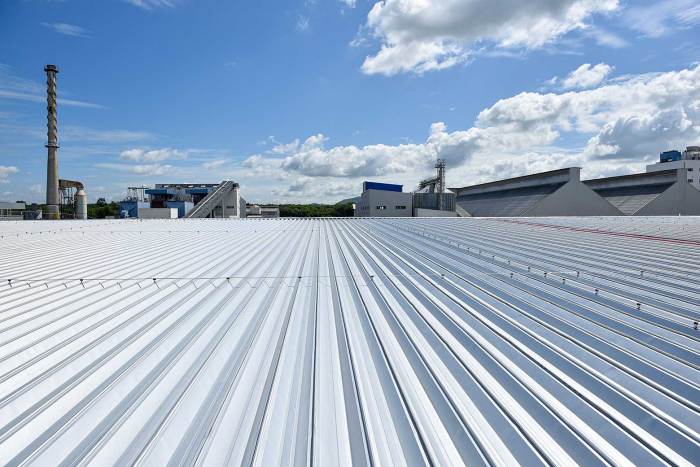
Metal roofing systems are known for their durability and longevity, but proper maintenance is essential to ensure they stay in optimal condition for years to come. Regular care can help prevent issues and extend the lifespan of commercial metal roofs.
Regular Maintenance for Commercial Metal Roofing
- Inspect the roof regularly for any signs of damage, such as dents, rust, or loose panels.
- Clean debris, leaves, and dirt off the roof to prevent clogging of drainage systems.
- Trim overhanging branches to prevent them from scratching the metal surface or causing damage during storms.
- Check and maintain sealants and coatings to ensure they are intact and providing proper protection.
Common Issues and Solutions
- Rust: Address rust spots promptly by cleaning and applying a rust-inhibiting primer and paint.
- Leaks: Inspect for leaks and seal them with appropriate sealants to prevent water damage.
- Dents: Remove dents carefully to prevent further damage to the metal panels.
- Loose Fasteners: Tighten or replace loose screws and fasteners to secure the roofing system.
Lifespan and Extension Tips
Metal roofing systems can last for 40-70 years with proper care. To extend their lifespan:
- Regularly clean and inspect the roof.
- Ensure proper installation and maintenance of sealants and coatings.
- Address any issues promptly to prevent them from worsening.
- Consider applying a protective coating every few years to enhance durability.
Energy Efficiency and Sustainability of Commercial Metal Roofing Systems
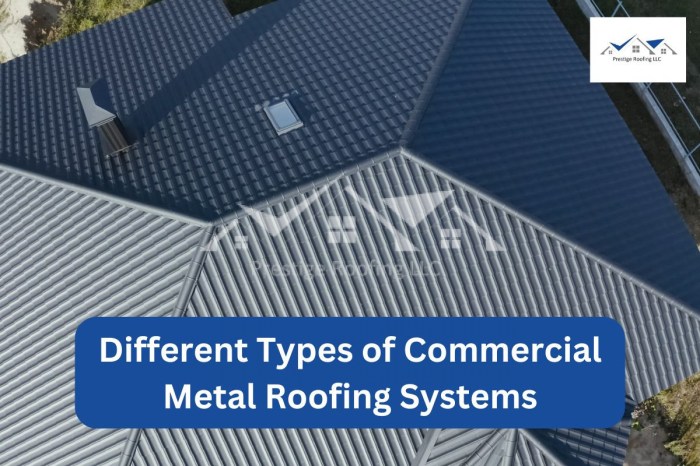
Metal roofing systems for commercial buildings are known for their energy-efficient properties and sustainable benefits. These roofs not only provide durability and longevity but also contribute to environmental conservation through various eco-friendly practices.
Energy-Efficient Properties of Metal Roofing
Metal roofs are highly reflective, which helps in reducing the heat absorbed by the building. This, in turn, lowers the cooling costs during hot summer months. Additionally, metal roofs are great insulators, keeping the building warm during winters and cool in summers, thus reducing the overall energy consumption for heating and cooling.
Sustainability and Environmental Benefits
Metal roofing systems are sustainable as they are often made from recycled materials. They are also recyclable at the end of their lifespan, reducing the environmental impact of construction waste. Additionally, metal roofs can be coated with reflective finishes, further enhancing their energy efficiency and reducing the urban heat island effect.
Eco-Friendly Practices Associated with Commercial Metal Roofing Systems
- Using recycled materials in the manufacturing process
- Implementing cool roof coatings to reduce energy consumption
- Designing roofs with proper insulation to minimize heat loss
- Installing solar panels on metal roofs to harness renewable energy
- Regular maintenance and care to ensure longevity and sustainability of the roofing system
Closing Summary
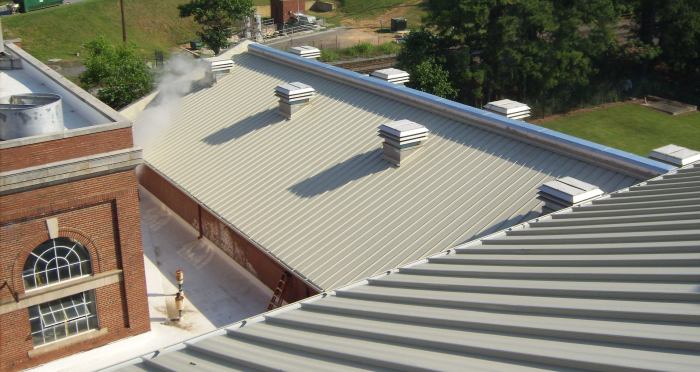
In conclusion, commercial metal roofing systems offer unmatched durability, energy efficiency, and aesthetic appeal for various commercial buildings. With proper care and maintenance, these roofs can last for decades, making them a top choice in the roofing industry.
FAQ Resource
What are the benefits of using metal for commercial roofing?
Metal roofing offers durability, cost-effectiveness, and customization options that make it a popular choice for commercial buildings.
How can I ensure a successful installation of a commercial metal roof?
Proper insulation, underlayment, and following installation steps are crucial for a long-lasting metal roof.
What are some common maintenance issues with metal roofs?
Common issues include leaks, rust, and loose panels, which can be addressed with timely repairs and inspections.
How do metal roofs contribute to energy efficiency?
Metal roofs reflect sunlight, reducing cooling costs, and can be paired with insulation for better energy efficiency in commercial buildings.
Are there eco-friendly practices associated with commercial metal roofing systems?
Yes, metal roofs can be recycled at the end of their lifespan, making them a sustainable choice for environmentally-conscious businesses.