
Embark on a journey through the realm of affordable metal roofing systems, exploring the benefits, types, installation process, and maintenance intricacies that make them a popular choice for many homeowners.
Delve into the details of each aspect and uncover the key considerations when opting for a cost-effective and durable metal roofing solution.
Benefits of Affordable Metal Roofing Systems
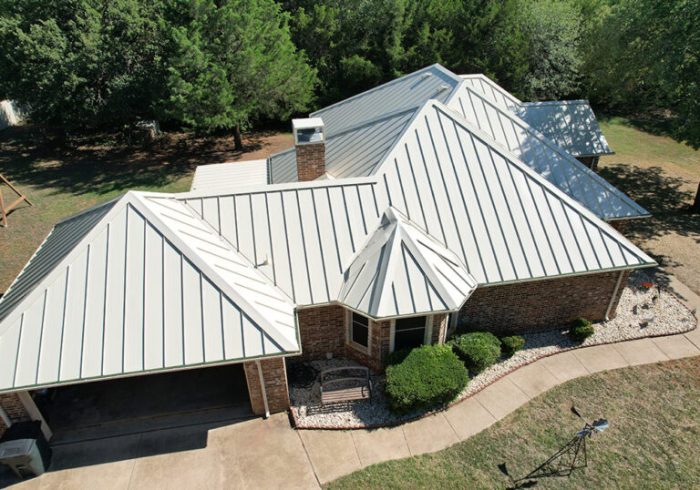
Metal roofing systems offer several advantages that make them a popular choice for homeowners. Metal roofs are known for their durability, as they can withstand harsh weather conditions such as heavy rain, snow, and strong winds. This longevity means that metal roofs require less maintenance and have a longer lifespan compared to traditional roofing materials like asphalt shingles.
When it comes to cost-effectiveness, metal roofs may have a higher upfront cost but can save homeowners money in the long run. With their durability and minimal maintenance requirements, metal roofs can last for 50 years or more, while traditional roofing materials may need to be replaced every 20-30 years.
This means that homeowners can save on repair and replacement costs over time.In terms of energy efficiency, metal roofs can help reduce energy consumption and lower utility bills. Metal reflects solar heat, keeping homes cooler in the summer and reducing the need for air conditioning.
Additionally, metal roofs can be coated with reflective pigments to further enhance their energy efficiency and reduce heat absorption. This can lead to savings on cooling costs and make metal roofs a more environmentally friendly option for homeowners.
Types of Metal Roofing Systems
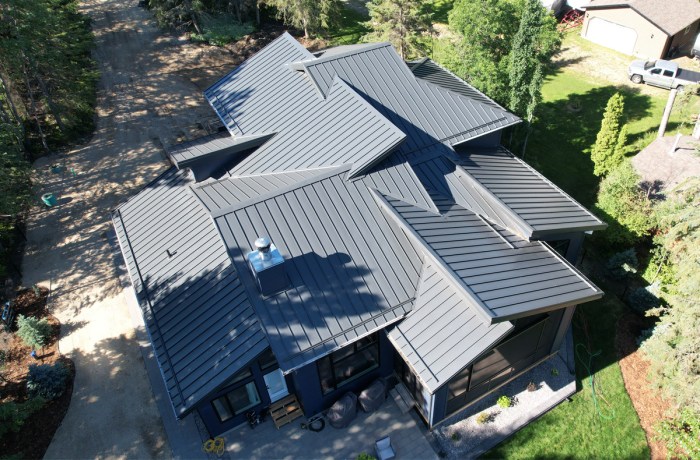
Metal roofing systems come in various types, each offering unique features and benefits. Let's explore some popular options available in the market.
1. Corrugated Metal Roofing
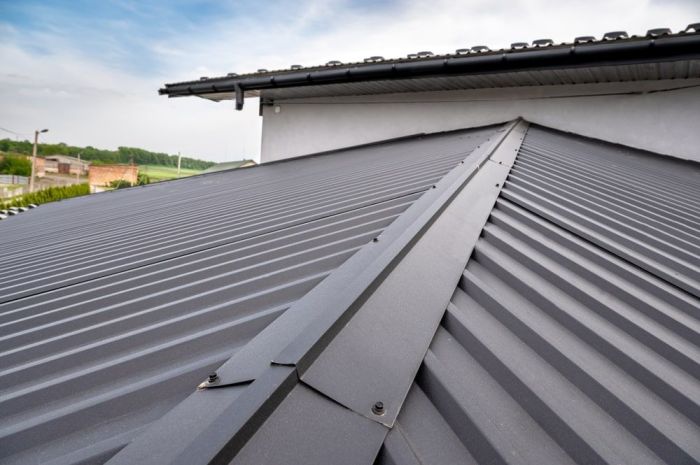
Corrugated metal roofing is a traditional and cost-effective option known for its durability and weather resistance. It consists of long panels with a wavy pattern, providing strength and stability to the roof structure.
2. Standing Seam Metal Roofing
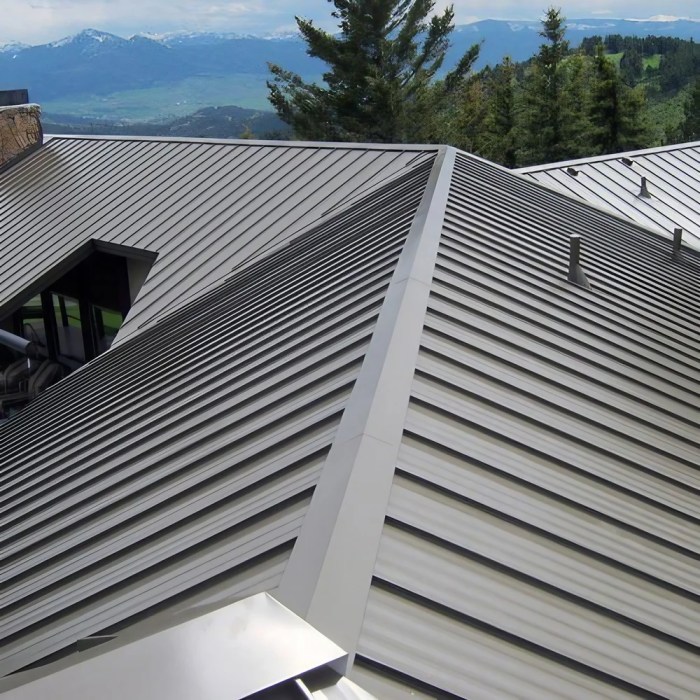
Standing seam metal roofing features vertical panels with raised seams that interlock to create a sleek and modern look. This type of roofing is popular for its clean lines, energy efficiency, and ease of installation.
3. Metal Shingle Roofing
Metal shingle roofing replicates the appearance of traditional shingles but with the added durability and longevity of metal. These shingles come in various styles and colors, offering a versatile and aesthetic roofing solution.
4. Metal Tile Roofing
Metal tile roofing mimics the look of clay or concrete tiles but with the lightweight and durable properties of metal. It is available in different profiles and finishes, providing a stylish and long-lasting roofing option.Each of these metal roofing systems offers unique benefits in terms of longevity, energy efficiency, and aesthetic appeal.
Homeowners can choose the option that best suits their budget and preferences to enhance the overall look and performance of their property.
Installation Process of Affordable Metal Roofing Systems
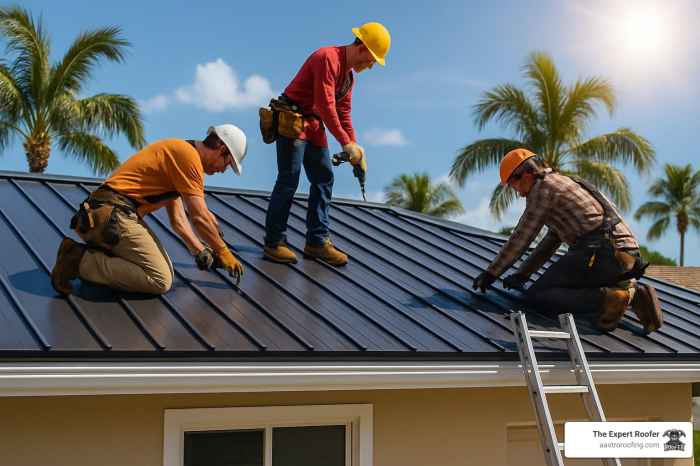
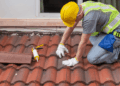
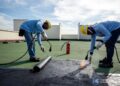
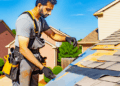
Metal roofing systems are a popular choice for homeowners due to their durability and longevity. Proper installation is essential for maximizing the lifespan of a metal roof and ensuring its effectiveness in protecting your home. Here are the general steps involved in installing a metal roof and some tips for a successful installation:
General Steps for Installing a Metal Roof
- Preparation: Start by measuring the roof and ordering the necessary materials. Make sure the roof deck is clean and free of any debris.
- Underlayment: Install a waterproof underlayment to protect the roof deck from moisture.
- Installation of Metal Panels: Begin installing metal panels from the eaves up to the ridge. Follow the manufacturer's instructions carefully.
- Flashing: Install flashing around roof penetrations, such as chimneys and vents, to prevent water leakage.
- Ridge Cap Installation: Finish the installation by adding ridge caps to the top of the roof for a clean and finished look.
Importance of Proper Installation
Proper installation of a metal roof is crucial for ensuring its longevity and performance. A well-installed metal roof can last for decades, providing excellent protection for your home
It is essential to hire experienced professionals or follow manufacturer guidelines closely to ensure a successful installation.
Tips for Successful Installation
- Hire a Professional: Consider hiring a professional roofing contractor with experience in installing metal roofs for the best results.
- Follow Manufacturer Guidelines: Adhere to the manufacturer's instructions and recommendations for installation to ensure proper techniques are used.
- Inspect Regularly: After installation, periodically inspect the roof for any signs of damage or issues to address them promptly.
- Maintain Proper Ventilation: Proper ventilation is essential for the longevity of a metal roof, so ensure adequate airflow in the attic space.
Maintenance and Longevity of Affordable Metal Roofing Systems
Metal roofing systems are known for their durability and longevity, but proper maintenance is essential to ensure they last for decades to come. By following some simple guidelines and addressing any issues that may arise, you can maximize the lifespan of your affordable metal roofing system.Metal roofs require minimal maintenance compared to other roofing materials, but it is still important to inspect them regularly for any signs of damage or wear.
Here are some maintenance requirements to keep in mind:
Common Maintenance Requirements for Metal Roofing Systems
- Regularly clean debris such as leaves, branches, and dirt from the roof surface to prevent water pooling and potential damage.
- Check for loose or missing fasteners and replace them promptly to prevent leaks and water infiltration.
- Inspect the roof for signs of corrosion or rust, especially in areas where the finish may be compromised.
- Trim overhanging branches to prevent damage from falling limbs and debris.
Common Issues and Solutions for Metal Roofs
- Leaking: Inspect the roof for any signs of leaks, especially after heavy rain. Repair any damaged seals or flashing to prevent water infiltration.
- Denting: Metal roofs can sometimes get dented from heavy impacts like hail or fallen branches. Consider installing protective padding or contacting a professional for repairs.
- Noise: Metal roofs can be noisy during heavy rain or hailstorms. Adding insulation or soundproofing materials can help reduce the noise levels inside your home.
Tips for Prolonging the Lifespan of Your Metal Roof
- Schedule regular inspections and maintenance to catch any issues early and prevent costly repairs.
- Apply a protective coating or sealant to your metal roof to enhance its durability and weather resistance.
- Avoid walking on the roof surface to prevent damage to the metal panels or finish.
- Keep gutters and downspouts clean and free of debris to ensure proper drainage and prevent water damage.
Closing Notes
In conclusion, affordable metal roofing systems offer a blend of resilience, aesthetic appeal, and energy efficiency, making them a wise investment for those seeking a long-lasting and reliable roofing option.
Essential Questionnaire
What are the common maintenance requirements for affordable metal roofing systems?
Regular inspections, cleaning debris, and addressing any damage promptly can help maintain the longevity of metal roofs.
Are metal roofs more cost-effective than traditional roofing materials?
While metal roofs may have a higher upfront cost, they often prove to be more cost-effective in the long run due to their durability and low maintenance requirements.
What are some popular types of metal roofing materials?
Common types include corrugated metal, standing seam metal, and metal shingles, each offering unique characteristics in terms of appearance and performance.