
As industrial roofing near me takes center stage, this opening passage beckons readers into a world crafted with good knowledge, ensuring a reading experience that is both absorbing and distinctly original.
Industrial roofing is a crucial aspect of commercial buildings, providing protection and stability. From materials used to installation processes, there is much to explore in this specialized field.
Overview of Industrial Roofing
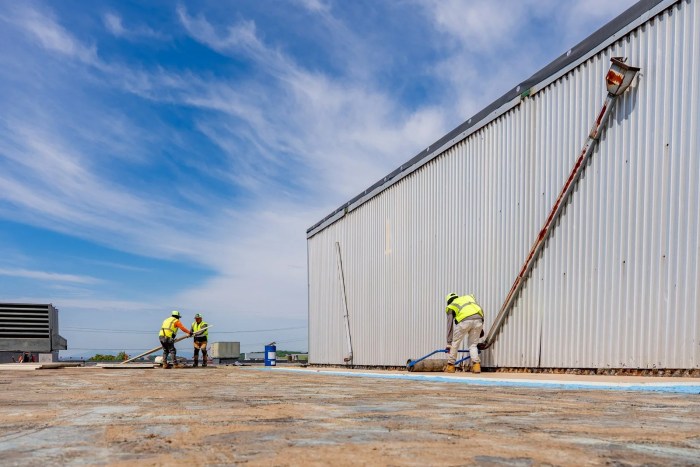
Industrial roofing refers to the roofing systems specifically designed for large commercial and industrial buildings. These structures require robust and durable roofing solutions to protect the interior from external elements and ensure the safety of the occupants. Industrial roofing plays a crucial role in maintaining the structural integrity of commercial properties and preventing damage due to weather conditions.
Types of Materials Used in Industrial Roofing
Industrial roofing can be constructed using various materials, each offering unique benefits and characteristics. Some common materials used in industrial roofing include:
- Metal Roofing: Metal roofs are popular for industrial buildings due to their durability, longevity, and resistance to harsh weather conditions. They are also lightweight and easy to install.
- Single-Ply Membrane: Single-ply membranes, such as TPO and EPDM, are commonly used in industrial roofing for their flexibility, energy efficiency, and ease of maintenance.
- Built-Up Roofing (BUR): BUR systems consist of multiple layers of asphalt and reinforcing materials, providing excellent waterproofing and insulation properties for industrial structures.
- Roof Coatings: Roof coatings can be applied to existing industrial roofs to enhance their performance, extend their lifespan, and improve energy efficiency.
Each material has its advantages and is selected based on factors like budget, climate, building structure, and maintenance requirements.
Finding Industrial Roofing Services Near Me
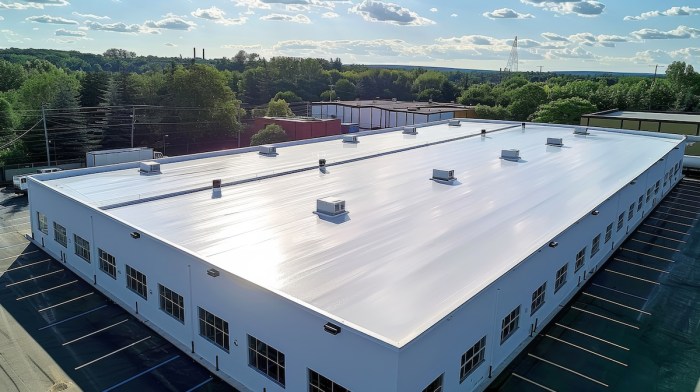
When looking for industrial roofing services near you, it's important to consider a few key factors to ensure you hire a reputable and reliable company. Here are some tips on how to find the best industrial roofing contractors in your area:
Search for Reputable Companies
- Ask for recommendations from friends, family, or colleagues who have recently had industrial roofing work done.
- Check online reviews and ratings on websites like Google, Yelp, or Angie's List to get an idea of the company's reputation.
- Look for industrial roofing companies that have been in business for several years and have a proven track record of quality work.
Factors to Consider when Choosing a Service Provider
- Ensure the company is licensed, bonded, and insured to protect yourself in case of any accidents or damages during the roofing project.
- Ask for references and examples of past industrial roofing projects to gauge the quality of their work.
- Get multiple quotes from different companies to compare prices and services offered.
Benefits of Hiring Local Contractors
- Local industrial roofing contractors are familiar with the building codes and regulations in your area, ensuring that the work is done correctly and up to standard.
- They are more accessible for any follow-up or warranty work that may be needed in the future.
- Supporting local businesses helps boost the economy and strengthens the community.
Industrial Roofing Installation Process
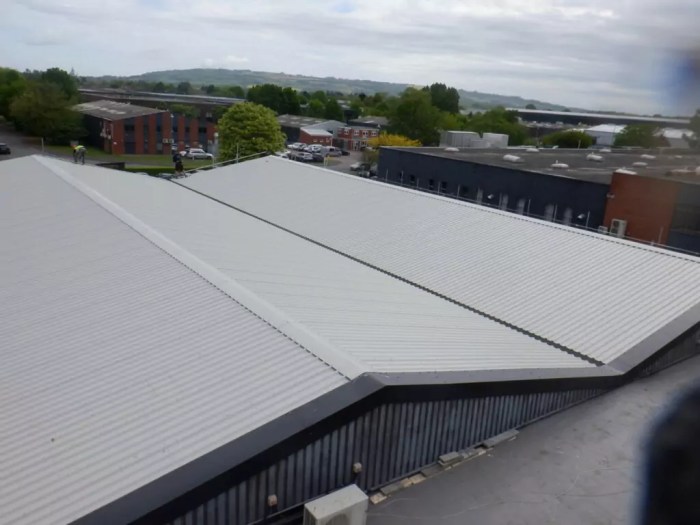
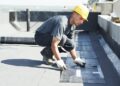
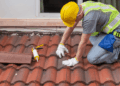
When it comes to installing an industrial roof, several crucial steps need to be followed to ensure a successful and durable outcome. Additionally, safety measures play a vital role in protecting workers and maintaining a secure work environment. Let's delve into the details of the industrial roofing installation process, the importance of safety measures, and common challenges faced during installations.
Installation Steps:
- 1. Roof Inspection: The first step involves a thorough inspection of the existing roof to assess its condition and identify any underlying issues that need to be addressed.
- 2. Roof Preparation: This step includes cleaning the roof surface, removing debris, and ensuring a smooth and even surface for the new roofing material.
- 3. Material Selection: Choosing the right roofing material is crucial for the longevity and performance of the industrial roof. Factors such as durability, weather resistance, and cost should be considered.
- 4. Roof Installation: The actual installation process involves laying down the chosen roofing material according to manufacturer guidelines and industry best practices.
- 5. Quality Check: After the installation is complete, a thorough quality check should be conducted to ensure that the roof meets all safety and performance standards.
Safety Measures:
- - Workers should wear appropriate safety gear, including helmets, gloves, and harnesses, to prevent accidents and injuries.
- - Regular safety training should be provided to all workers involved in the roofing installation process to ensure they are aware of potential hazards and how to mitigate them.
- - Fall protection systems, guardrails, and safety nets should be in place to prevent falls from elevated surfaces during the installation process.
Common Challenges:
- - Adverse Weather Conditions: Weather disruptions can delay the installation process and affect the quality of the roofing job.
- - Access and Mobility: Limited access to the roof or restricted mobility can pose challenges during installation, requiring specialized equipment and techniques.
- - Material Handling: Handling heavy roofing materials and equipment safely and efficiently can be a common challenge during industrial roofing installations.
Industrial Roofing Maintenance and Repair
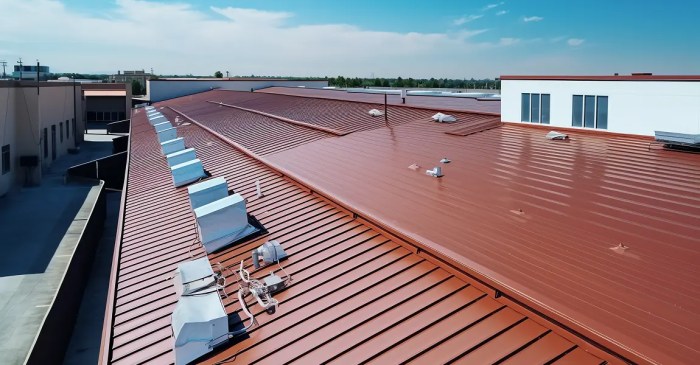
Maintaining and repairing industrial roofs is crucial to ensuring their longevity and protecting the building underneath. Regular inspections and maintenance can help identify issues early on and prevent costly repairs down the line.
Guide on Industrial Roofing Maintenance
- Clear debris regularly to prevent clogging of drains and gutters.
- Inspect the roof for damage after severe weather events.
- Check for signs of leaks or water damage inside the building.
- Trim overhanging branches to prevent damage to the roof.
- Ensure proper ventilation to prevent moisture buildup.
Common Issues Requiring Industrial Roofing Repairs
- Leaks caused by damaged or deteriorating roofing materials.
- Ponding water due to improper drainage.
- Punctures or tears in the roof membrane.
- Blow-off damage from strong winds.
- Corrosion of metal roofs.
Importance of Regular Inspections and Maintenance
Regular inspections and maintenance can help identify small issues before they escalate into major problems. By addressing these issues promptly, you can extend the lifespan of your industrial roof and avoid costly repairs or premature replacement.
End of Discussion
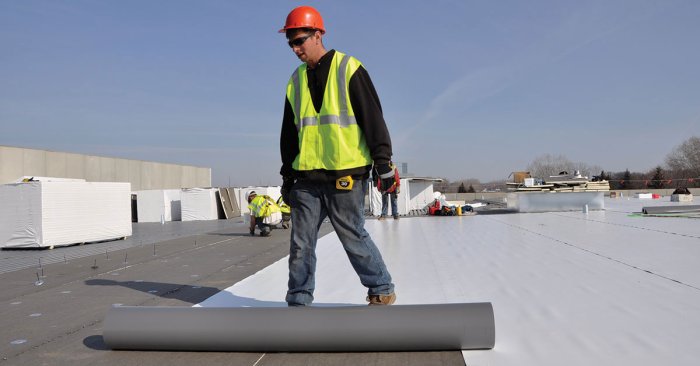
In conclusion, industrial roofing near me offers a blend of practicality and expertise. From finding services to understanding maintenance, this industry plays a vital role in ensuring the longevity of commercial structures.
FAQ Section
How can I find reputable industrial roofing companies near me?
To find reputable industrial roofing companies near you, consider asking for recommendations from local businesses, checking online reviews, and verifying credentials and experience.
What are the common challenges faced during industrial roofing installations?
Common challenges during industrial roofing installations include weather delays, safety hazards, and ensuring proper ventilation in the industrial space.
Why is regular maintenance important for industrial roofs?
Regular maintenance is crucial for industrial roofs to prevent leaks, extend the lifespan of the roof, and identify any issues early on before they become costly problems.