
Exploring the world of warehouse roof replacement contractors, this guide offers valuable insights and essential information for anyone considering such a project. From choosing the right materials to finding reliable professionals, this comprehensive overview covers all aspects of warehouse roof replacement with a focus on quality and efficiency.
As we delve deeper into the various types of roofing materials, cost factors, safety regulations, and more, you'll gain a deeper understanding of what it takes to ensure a successful warehouse roof replacement project.
Types of Warehouse Roofing Materials
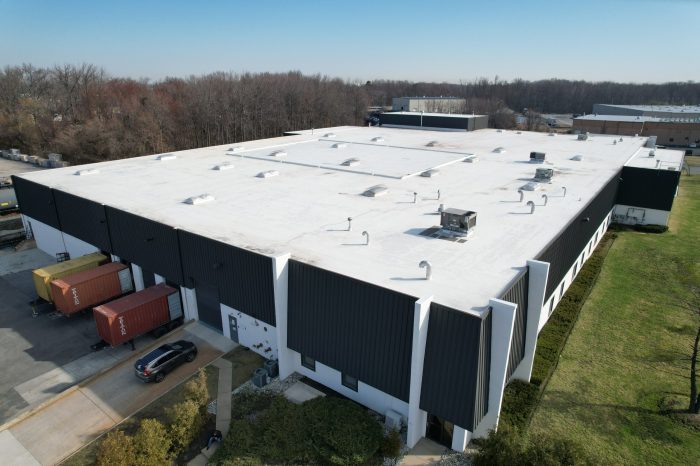
When it comes to warehouse roofing materials, there are several options to consider. Each type of material comes with its own set of pros and cons, as well as durability and maintenance requirements. Let's take a closer look at some common choices for warehouse roofs:
Metal Roofing
Metal roofing is a popular choice for warehouse roofs due to its durability and longevity. It is resistant to extreme weather conditions and is relatively low maintenance. However, metal roofing can be more expensive upfront compared to other materials, and it may require periodic maintenance to prevent rust and corrosion.
EPDM Roofing
EPDM (ethylene propylene diene terpolymer) roofing is a synthetic rubber membrane that is known for its durability and flexibility. It is resistant to UV rays and can withstand temperature fluctuations. EPDM roofing is relatively easy to install and repair, but it may not be as aesthetically pleasing as other materials.
TPO Roofing
TPO (thermoplastic polyolefin) roofing is a single-ply membrane that is lightweight and energy-efficient. It is resistant to tears, punctures, and UV radiation. TPO roofing is easy to install and maintain, but it may not be as durable as other materials in extreme weather conditions.
PVC Roofing
PVC (polyvinyl chloride) roofing is a durable and long-lasting option for warehouse roofs. It is resistant to chemicals, punctures, and UV rays. PVC roofing is low maintenance and can provide excellent insulation properties. However, PVC roofing can be more expensive than other materials, and it may not be as environmentally friendly.These are just a few of the common types of roofing materials used for warehouse roofs.
It's essential to consider the specific needs of your warehouse, budget constraints, and climate conditions when choosing the right roofing material for your facility.
Finding Reliable Contractors
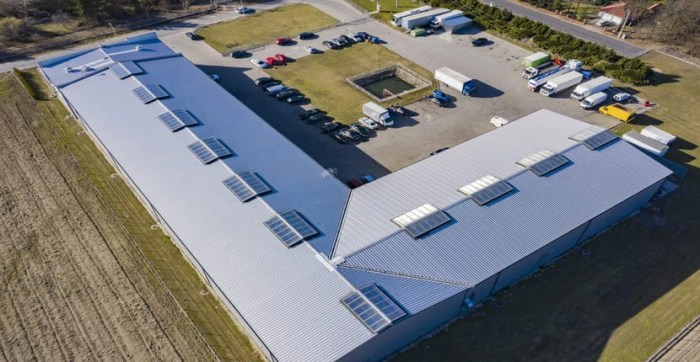
Finding a reliable contractor for your warehouse roof replacement is crucial to ensure a smooth and successful project. Here are some steps to help you research and identify reputable contractors:
Checking Licenses, Insurance, and Certifications
It is important to verify that the contractor you are considering has the necessary licenses, insurance, and certifications. This ensures that they are qualified to perform the work and protects you in case of any accidents or damages. Here are some tips to keep in mind:
- Check for a valid contractor's license to operate in your state or region.
- Verify that the contractor has liability insurance and workers' compensation coverage.
- Ask for proof of certifications or training in roofing installation and safety practices.
Reading Reviews and Getting Recommendations
In addition to checking credentials, reading reviews and getting recommendations from other businesses can help you gauge the contractor's reputation and quality of work. Here are some ways to gather feedback:
- Look for online reviews on websites like Google, Yelp, or Angie's List.
- Ask for references from the contractor and follow up with past clients.
- Seek recommendations from other businesses or industry contacts who have experience with roof replacement projects.
Cost Factors and Budgeting
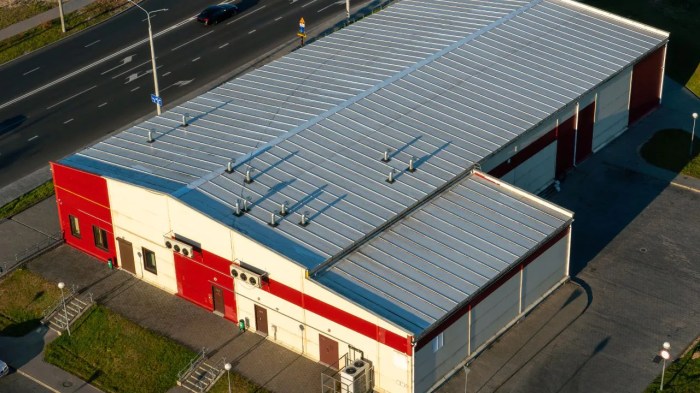
When it comes to warehouse roof replacement projects, it's essential to consider the various cost factors involved to create an accurate budget. By understanding these factors, you can estimate the total cost and explore ways to save money without compromising on quality.
Common Cost Factors
- Size of the Roof: The larger the roof, the more materials and labor are required, leading to higher costs.
- Type of Materials: Different roofing materials have varying costs, with options like metal, EPDM, TPO, and more.
- Roof Accessibility: Difficult-to-access roofs may require special equipment or additional labor, impacting the overall cost.
- Roof Design Complexity: Intricate roof designs or features like skylights can increase the complexity of the project and cost.
- Existing Damage: Repairing existing damage or structural issues before replacing the roof can add to the total cost.
Creating a Budget
- Research Costs: Get quotes from multiple contractors and suppliers to compare prices and create a realistic budget.
- Factor in Contingencies: Set aside a contingency fund for unexpected expenses that may arise during the project.
- Consider Long-Term Savings: Investing in high-quality materials may have a higher upfront cost but can save money on repairs and maintenance in the long run.
Saving Money without Compromising Quality
- Choose Cost-Effective Materials: Opt for durable and cost-effective roofing materials that meet your needs and budget.
- Plan Ahead: Proper planning and scheduling can help avoid delays and additional costs during the project.
- Maintain Regular Inspections: Regular maintenance and inspections can help identify issues early on, preventing costly repairs in the future.
Safety Regulations and Compliance
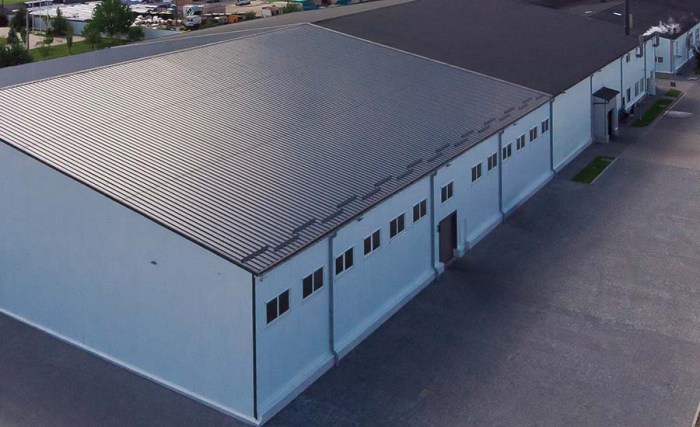
When it comes to warehouse roof replacement projects, safety regulations and compliance are crucial aspects that contractors need to adhere to. Ensuring the safety of workers and the overall project site is paramount to prevent accidents and injuries.
Importance of OSHA Standards Compliance
- Contractors must comply with Occupational Safety and Health Administration (OSHA) standards to maintain a safe work environment.
- OSHA regulations are in place to protect workers from hazards, such as falls, electrical hazards, and exposure to harmful materials.
- Non-compliance with OSHA standards can result in fines, penalties, and even project delays.
Safety Measures during Roof Replacement
- Provide proper training to workers on safety protocols and procedures before starting the project.
- Implement fall protection systems, such as guardrails, safety nets, or personal fall arrest systems, to prevent falls from heights.
- Ensure proper ventilation to minimize exposure to hazardous materials like asbestos or mold during the removal process.
- Regularly inspect and maintain equipment to prevent malfunctions that could lead to accidents.
- Have a designated safety officer on-site to oversee compliance with safety regulations and address any concerns promptly.
Final Summary
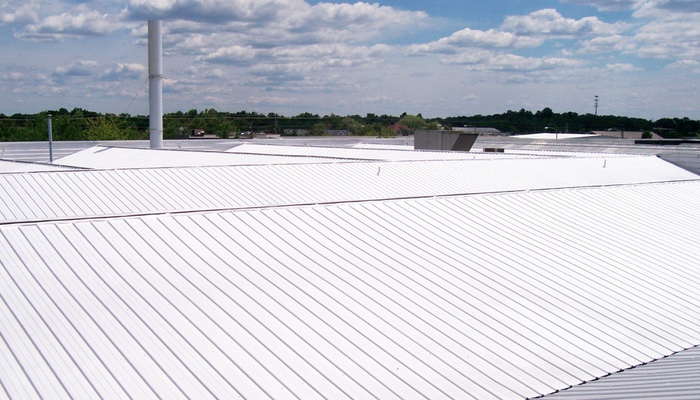
In conclusion, navigating the realm of warehouse roof replacement contractors requires careful planning, research, and attention to detail. By following the guidelines Artikeld in this guide, you can make informed decisions and achieve a durable, cost-effective, and safe roof replacement for your warehouse.
Question Bank
How do I choose the right roofing material for my warehouse?
Consider factors like durability, maintenance requirements, and cost to select the best material for your warehouse roof.
What should I look for when hiring warehouse roof replacement contractors?
Check for licenses, insurance, certifications, and read reviews to ensure you're hiring reputable contractors.
How can I estimate the total cost of replacing a warehouse roof?
Break down cost factors, create a budget, and get quotes from multiple contractors to estimate the total cost accurately.
What safety measures should be in place during a warehouse roof replacement project?
Contractors need to follow safety regulations, be compliant with OSHA standards, and implement safety measures like fall protection systems.