
Embark on a journey into the world of industrial roof leak repair, where we explore the various methods, materials, preventative maintenance, and hiring tips to ensure your roof stays leak-free.
Industrial Roof Leak Repair Methods
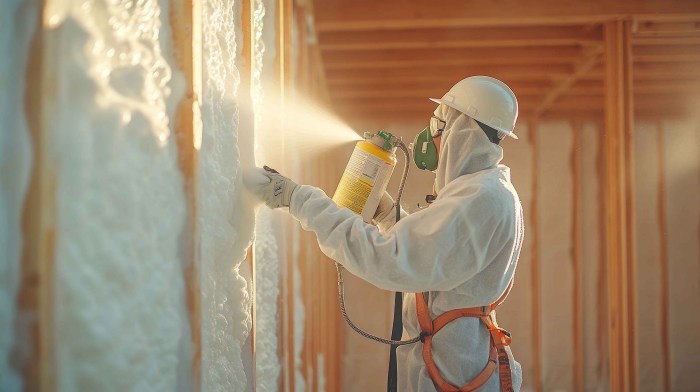
When it comes to repairing leaks in industrial roofs, there are several common methods that are used to address the issue effectively. These methods can vary in terms of complexity and cost, depending on the extent of the damage and the type of roofing material being used.
Patch Repair
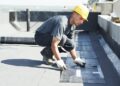
One of the most common methods for repairing industrial roof leaks is patch repair. This involves identifying the source of the leak and applying a patch or sealant to the damaged area to prevent further water infiltration. Patch repair is often a quick and cost-effective solution for minor leaks.
Membrane Replacement
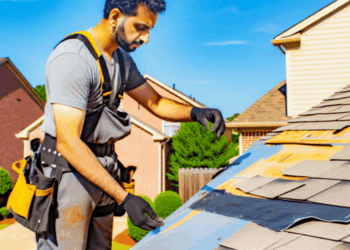
In cases where the roofing membrane has been extensively damaged, a complete membrane replacement may be necessary. This involves removing the damaged membrane and installing a new one to ensure the roof is properly sealed and protected from leaks.
Flashing Repair
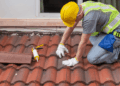
Flashing repair is another important method for addressing industrial roof leaks. Flashing is used to seal joints and transitions on the roof, and damage to the flashing can lead to leaks. Repairing or replacing damaged flashing can help prevent water from entering the building through these vulnerable areas.
Step-by-Step Repair Process
- Identify the source of the leak by conducting a thorough inspection of the roof.
- Clean the area around the leak to ensure proper adhesion of repair materials.
- Apply a patch or sealant to the damaged area, following manufacturer instructions.
- If necessary, replace damaged membrane or flashing to ensure a watertight seal.
- Inspect the repaired area to confirm the leak has been successfully addressed.
Materials for Industrial Roof Leak Repair
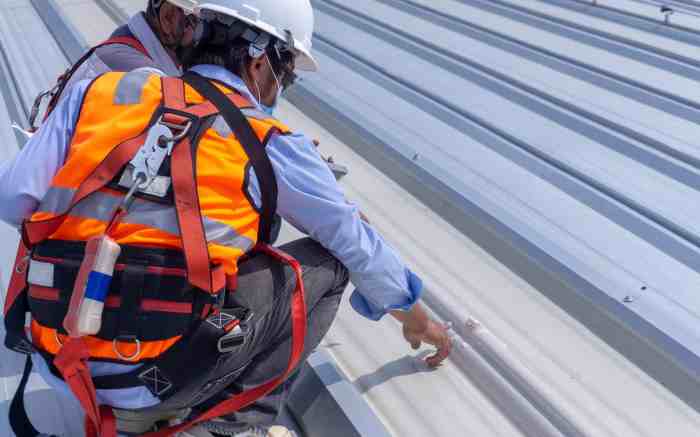
When it comes to repairing leaks in industrial roofs, using the right materials is crucial to ensure a long-lasting and effective solution. In this section, we will discuss the essential materials needed for industrial roof leak repair, the pros and cons of different types of roofing materials, and the importance of using high-quality materials.
Essential Materials
- Roofing sealant: A waterproof sealant is essential for filling in cracks and gaps in the roof to prevent leaks.
- Roofing membrane: A durable membrane is used to cover large areas of the roof and provide additional waterproofing.
- Flashings: Flashings are metal pieces used to seal joints and edges of the roof, preventing water from seeping in.
- Roofing nails and screws: These are necessary for securing materials in place and ensuring they are tightly fastened.
Pros and Cons of Different Roofing Materials
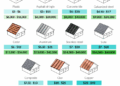
- Asphalt Shingles:Pros - affordable, easy to install. Cons - prone to damage from extreme weather conditions, shorter lifespan compared to other materials.
- Metal Roofing:Pros - highly durable, long lifespan. Cons - higher initial cost, may require professional installation.
- TPO Roofing:Pros - energy-efficient, resistant to UV rays. Cons - can be punctured easily, may not be suitable for all climates.
Importance of Using High-Quality Materials
Using high-quality materials in industrial roof leak repairs ensures that the repair is effective and long-lasting. Inferior materials may lead to further damage and more frequent repairs in the future, costing you more time and money in the long run.
High-quality materials provide better protection against leaks, withstand harsh weather conditions, and ultimately extend the lifespan of your industrial roof.
Preventative Maintenance for Industrial Roofs
Regular maintenance plays a crucial role in preventing roof leaks in industrial buildings. By conducting routine inspections and addressing any issues promptly, you can avoid costly repairs and potential damage to your property. Here are some tips on how to effectively maintain your industrial roof to prevent leaks:
Inspection Tips for Industrial Roofs
- Regularly inspect the roof for any signs of damage, such as cracks, blisters, or missing shingles.
- Check for clogged drains or gutters that can lead to water pooling on the roof.
- Look for any signs of water stains on the ceiling or walls inside the building, as this could indicate a leak.
- Ensure that any rooftop equipment or HVAC systems are properly sealed and maintained to prevent leaks.
Role of Preventative Maintenance in Extending Roof Lifespan
Preventative maintenance not only helps in preventing roof leaks but also extends the lifespan of industrial roofs. By addressing minor issues before they escalate, you can avoid the need for major repairs or even premature roof replacement. Regular maintenance can help in preserving the structural integrity of the roof and ensuring its long-term durability.
Hiring a Professional for Industrial Roof Leak Repair
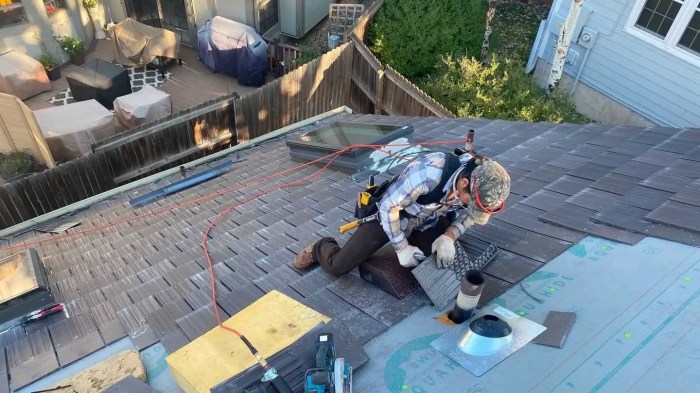
When it comes to industrial roof leak repair, hiring a professional contractor is essential to ensure the job is done correctly and efficiently. Here are some key factors to consider when looking for the right professional for the job.
Qualifications and Certifications
- Look for a contractor who is licensed and insured to work on industrial roofs. This ensures they have met the necessary requirements to perform the job safely and effectively.
- Check for certifications from reputable organizations in the roofing industry. Certifications show that the contractor has received specialized training and is up to date on the latest techniques and best practices.
- Consider the experience of the contractor. Look for someone who has a proven track record of successfully completing industrial roof leak repairs.
Vetting and Selecting the Right Professional
- Ask for references from past clients and follow up on them to get feedback on the contractor's work quality and professionalism.
- Get multiple quotes from different contractors to compare pricing and services offered. Avoid choosing solely based on the lowest price, as quality work may come at a higher cost.
- Discuss the scope of the project in detail with the contractor and ensure they understand your specific needs and requirements.
- Inquire about the materials and techniques the contractor plans to use for the repair to ensure they are appropriate for your industrial roof.
Final Thoughts
In conclusion, understanding how to effectively repair and maintain industrial roofs is crucial in preserving the integrity of your building. Stay informed and proactive to avoid costly leaks and damages in the future.
FAQ Overview
What are the common methods used for repairing industrial roof leaks?
Common methods include patching, sealing, and replacing damaged sections of the roof to stop leaks.
Why is using high-quality materials important in industrial roof leak repairs?
High-quality materials ensure long-lasting repairs and better protection against future leaks.
How can one inspect industrial roofs for potential leak issues?
Regular inspections for signs of damage, such as water stains or mold, can help identify potential leak areas early on.