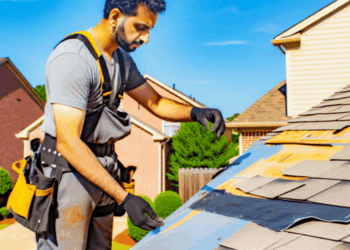

Embarking on the realm of roofing insurance restoration contractors opens doors to a world where expertise meets necessity, offering homeowners a lifeline in times of property crises. This guide delves into the pivotal role these contractors play, shedding light on their significance and impact.
As we navigate through the intricacies of qualifications, insurance claim processes, types of damage covered, and fostering relationships with insurance companies, a comprehensive understanding emerges, unveiling the nuances of this vital industry.
Importance of Roofing Insurance Restoration Contractors
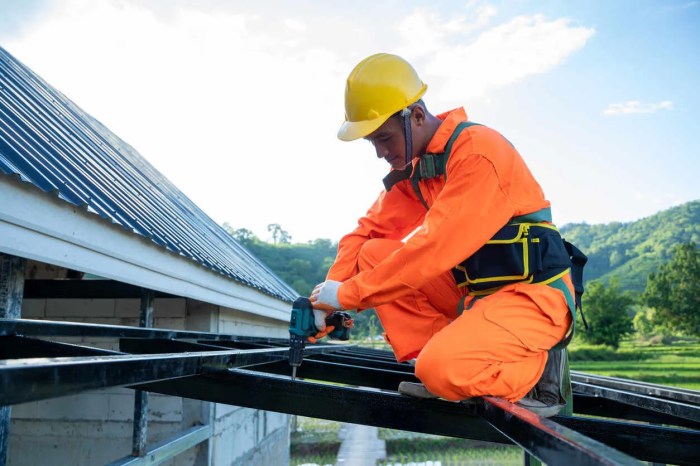
Roofing insurance restoration contractors are crucial for homeowners who have experienced damage to their property. These professionals play a vital role in the insurance claim process and help restore properties to their original condition.
Role in Insurance Claim Process
Roofing insurance restoration contractors act as advocates for homeowners when navigating the complex process of filing insurance claims for property damage. They have the expertise to assess the extent of the damage, document it properly, and communicate effectively with insurance companies to ensure fair compensation for repairs.
Restoring Properties After Damage
After the insurance claim is approved, roofing insurance restoration contractors step in to restore the property to its pre-damaged state. This includes repairing or replacing damaged roofing materials, addressing structural issues, and ensuring that the property is safe and secure for the homeowners.
Qualifications and Skills Required
To become a successful roofing insurance restoration contractor, there are specific qualifications and skills that are essential to possess. These requirements are crucial for handling insurance-related roofing projects effectively and efficiently.
Key Qualifications
- A valid contractor's license: Having a valid contractor's license is a fundamental requirement for roofing insurance restoration contractors. This ensures that the contractor is legally allowed to perform roofing work in a specific area.
- Insurance knowledge: Understanding the ins and outs of insurance policies, claims processes, and regulations is crucial for navigating insurance-related roofing projects successfully.
- Roofing experience: Prior experience in the roofing industry is beneficial as it provides the necessary skills and knowledge required to handle roofing projects efficiently.
Skills Required for Handling Insurance-Related Projects
- Communication skills: Effective communication with clients, insurance adjusters, and other stakeholders is essential for ensuring smooth project execution.
- Negotiation skills: Being able to negotiate with insurance companies on behalf of clients to secure fair settlements is a valuable skill for roofing insurance restoration contractors.
- Problem-solving abilities: Quick thinking and the ability to come up with creative solutions to unexpected challenges are crucial when dealing with insurance-related roofing projects.
Certifications for Contractors
- HAAG Certification: HAAG Certification provides specialized training in roof inspections, allowing contractors to accurately assess damage and provide detailed reports for insurance claims.
- IICRC Certification: The Institute of Inspection Cleaning and Restoration Certification (IICRC) offers certifications in water damage restoration and other related fields, which can be beneficial for contractors dealing with insurance-related projects.
Insurance Claim Process
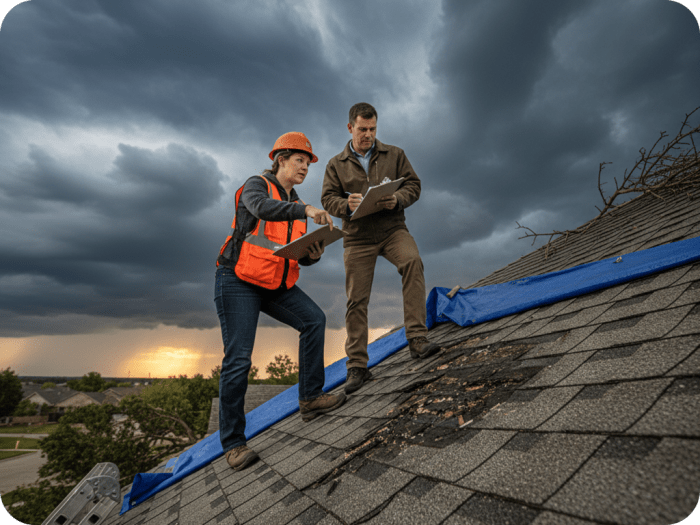
When it comes to roofing insurance restoration, navigating the insurance claim process is a crucial step in ensuring that homeowners receive the necessary coverage for their roof repairs or replacements. Contractors play a key role in assisting clients with filing insurance claims and working with insurance companies to streamline the process.
Handling Insurance Claims
- Initial Assessment: The contractor assesses the damage to the roof and determines if it is necessary to file an insurance claim.
- Documentation: Gathering essential documentation, such as photos, estimates, and inspection reports, to support the claim.
- Claim Submission: The contractor submits the claim to the insurance company on behalf of the homeowner.
- Adjuster Meeting: Meeting with the insurance adjuster to assess the damage and negotiate the scope of work and coverage.
- Approval and Payment: Once the claim is approved, the contractor proceeds with the repairs and ensures that the payment is processed smoothly.
Working with Insurance Companies
- Communication: Maintaining open communication with the insurance company to provide updates and address any questions or concerns.
- Negotiation: Advocating for the homeowner to ensure that the insurance company covers the necessary repairs or replacements.
- Documentation: Providing detailed documentation and evidence to support the claim and justify the scope of work.
- Compliance: Adhering to the insurance company's guidelines and requirements to expedite the claim process.
Challenges and Solutions
- Denial of Claim: If the claim is denied, the contractor can appeal the decision with additional evidence or seek alternative solutions.
- Underestimation of Damage: In cases where the insurance adjuster underestimates the damage, the contractor can provide supplemental documentation to justify the necessary repairs.
- Delays in Processing: If there are delays in processing the claim, the contractor can follow up with the insurance company and expedite the approval process.
Types of Roofing Damage Covered
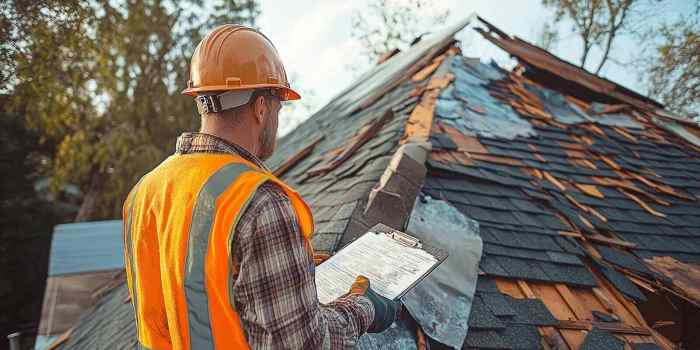
Roofing insurance typically covers various types of damage to roofs caused by storms, hail, wind, fire, and other unforeseen events. It is essential for roofing insurance restoration contractors to understand the common types of damage that insurance policies typically cover to effectively assess and document the damage for insurance claims.
Common Types of Roofing Damage
- Wind Damage: High winds can cause shingles to lift, crack, or tear off, exposing the underlying roof structure to potential water damage.
- Hail Damage: Hailstones can create dents, cracks, or punctures in roofing materials, compromising the roof's integrity.
- Water Damage: Leaks, water stains, and mold growth resulting from water intrusion can indicate roof damage that needs repair or replacement.
- Fire Damage: Fire can cause extensive damage to the roof, including burnt or charred materials that require immediate attention.
- Storm Damage: Severe storms can lead to fallen trees, debris impact, and other structural damage that affects the roof's stability.
Contractors must carefully document the extent of the damage, including photos, videos, and detailed reports, to support insurance claims and ensure proper reimbursement for repairs or replacements.
Differentiating Between Normal Wear and Tear and Covered Damage
It is crucial for roofing insurance restoration contractors to differentiate between normal wear and tear and damage covered by insurance policies. Normal wear and tear, such as aging or deterioration over time, is typically not covered by insurance and may require routine maintenance or repairs.
On the other hand, damage caused by sudden and unforeseen events, like storms or fires, is usually covered and necessitates immediate attention to prevent further issues.
Building Relationships with Insurance Companies
Building strong relationships with insurance providers is crucial for roofing insurance restoration contractors to ensure a smooth claims process and maximize the benefits for their clients. By fostering good rapport with insurance companies, contractors can establish trust, streamline communication, and ultimately, enhance the overall customer experience.
Strategies for Building Strong Relationships
- Provide accurate and detailed estimates: Presenting precise estimates supported by thorough assessments can help build credibility and trust with insurance adjusters.
- Communicate effectively: Maintain open lines of communication, respond promptly to inquiries, and keep all parties informed throughout the restoration process.
- Deliver quality workmanship: Consistently delivering high-quality roofing repairs or replacements can help establish a positive reputation with insurance companies.
Benefits of Maintaining Good Rapport
- Streamlined claims process: Having a good relationship with insurance providers can lead to faster approvals and smoother settlements, benefiting both the contractor and the policyholder.
- Potential for preferred contractor status: Building a reputation for reliability and professionalism may result in insurance companies recommending your services to their clients.
- Enhanced customer satisfaction: By working closely with insurance companies, contractors can ensure that their clients receive the best possible coverage and service, leading to higher satisfaction rates.
Tips for Effective Communication with Insurance Adjusters
- Be clear and concise: Provide detailed information in a straightforward manner to help adjusters understand the scope of work and the costs involved.
- Document everything: Keep thorough records of all communication, estimates, and documentation to support your claims and facilitate the process.
- Be proactive: Anticipate questions or concerns from adjusters and address them proactively to demonstrate your expertise and professionalism.
Epilogue
In conclusion, roofing insurance restoration contractors stand as pillars of support, bridging the gap between homeowners and insurance claims, ensuring seamless restoration processes. As we unravel the layers of expertise and dedication required in this field, one thing remains clear - these professionals are indispensable allies in the realm of property restoration.
FAQ Corner
What qualifications are needed to become a roofing insurance restoration contractor?
To become a contractor in this field, individuals typically need relevant certifications, experience in roofing projects, and knowledge of insurance processes.
How do contractors assess and document damage for insurance claims?
Contractors assess damage by conducting thorough inspections, taking detailed photographs, and preparing comprehensive reports to support insurance claims.
What are some strategies for building strong relationships with insurance providers?
Building trust, maintaining clear communication, and delivering quality work are key strategies for contractors to foster strong relationships with insurance companies.